

We examined 11 top online retailers selling Swiss jewellery and discovered that the highest‑rated seller isn’t even a Swiss‑based site, while most retailers hide shipping costs despite displaying customer ratings.
| Name | Customer Rating | Source |
|---|---|---|
| vintagewatchservices.eu | 4.9 | trustpilot.com |
| Watchdreamer | 4.8 | trustpilot.com |
| helvecy.com | 4.8 | trustpilot.com |
| watchfinder.ch | 4.7 | trustpilot.com |
| www.chrono24.com | 4.7 | trustpilot.com |
| Rosec Jewels | 4.6 | rosecjewels.com |
| www.trendhim.ch | 4.6 | trustpilot.com |
| nivadagrenchenofficial.com | 4 | trustpilot.com |
| chronext.de | 3.2 | trustpilot.com |
| uhrenkauf-auf-raten.ch | 2.6 | trustpilot.com |
| Swiss Watch & Diamond Exchange, Inc. | — | swisswatch.net |
The lowest‑rated retailer (2.6) is a Swiss domain, which flips the usual trust assumption. Only 18% of sites list shipping fees, even though 91% show customer scores. The average rating sits at 4.29, but scores swing from 2.6 to 4.9, so you’ll see big gaps in buyer satisfaction.
When you shop, first scan the rating and see if shipping costs are clear. Next, compare the top‑rated sellers—like vintagewatchservices.eu, Watchdreamer, and helvecy.com—to your style and budget. A quick checklist can save you time and avoid hidden fees.
Our A Comprehensive Guide to Buying Diamonds in Switzerland walks you through the Four Cs and how to verify certificates, so you can buy with confidence. If you’re also planning a wedding, you might explore GEM Designs & Productions for luxury photo‑booth options that match your celebration style.
Step 1: Identify Trusted Swiss Jewellery Retailers
First thing you need to do is sort out who you can really trust. A high rating on Trustpilot is a good sign, but it’s only part of the picture.
Start by making a quick list. Pull the names from the table we just saw – vintagewatchservices.eu, Watchdreamer, helvecy.com, watchfinder.ch, chrono24.com, Rosec Jewels, and so on. Write them down in a spreadsheet or a notes app.
Check the rating and the fees
Look at each site’s score. Anything under 4.0 probably needs a second look. Then hunt for the shipping cost info. If the site hides the fee until checkout, flag it.
Tip: a retailer that shows a clear shipping price right on the product page saves you a lot of guesswork.
Verify the seller’s background
Visit the “About Us” page. See if they mention a Swiss address, a trade licence, or a membership in a jeweller guild. Those details add credibility.
Don’t just trust the words on the site – do a quick Google search of the company name plus “scam” or “review”. A handful of negative posts can be a red flag.
Cross‑check certifications
Real Swiss jewellery often comes with a Hallmark or a GIA certificate. If the product page links to a PDF of the certificate, that’s a strong plus.
If you can’t find a certificate, reach out to the seller’s customer service and ask. A prompt, clear answer is a good sign of a reliable shop.
Once you’ve filtered out the doubtful sellers, you’ll have a short list of retailers that are both well‑rated and transparent about costs.
Use this short checklist before you click “buy”.
- Rating ≥ 4.0
- Shipping cost displayed early
- Certificate or Hallmark proof
- Return policy easy to find
Now you can move on to comparing the product range, return policy, and payment options of the trusted sites you kept.
When you stick to these steps, you’ll feel far more confident that the jeweller you pick truly respects your money and style.
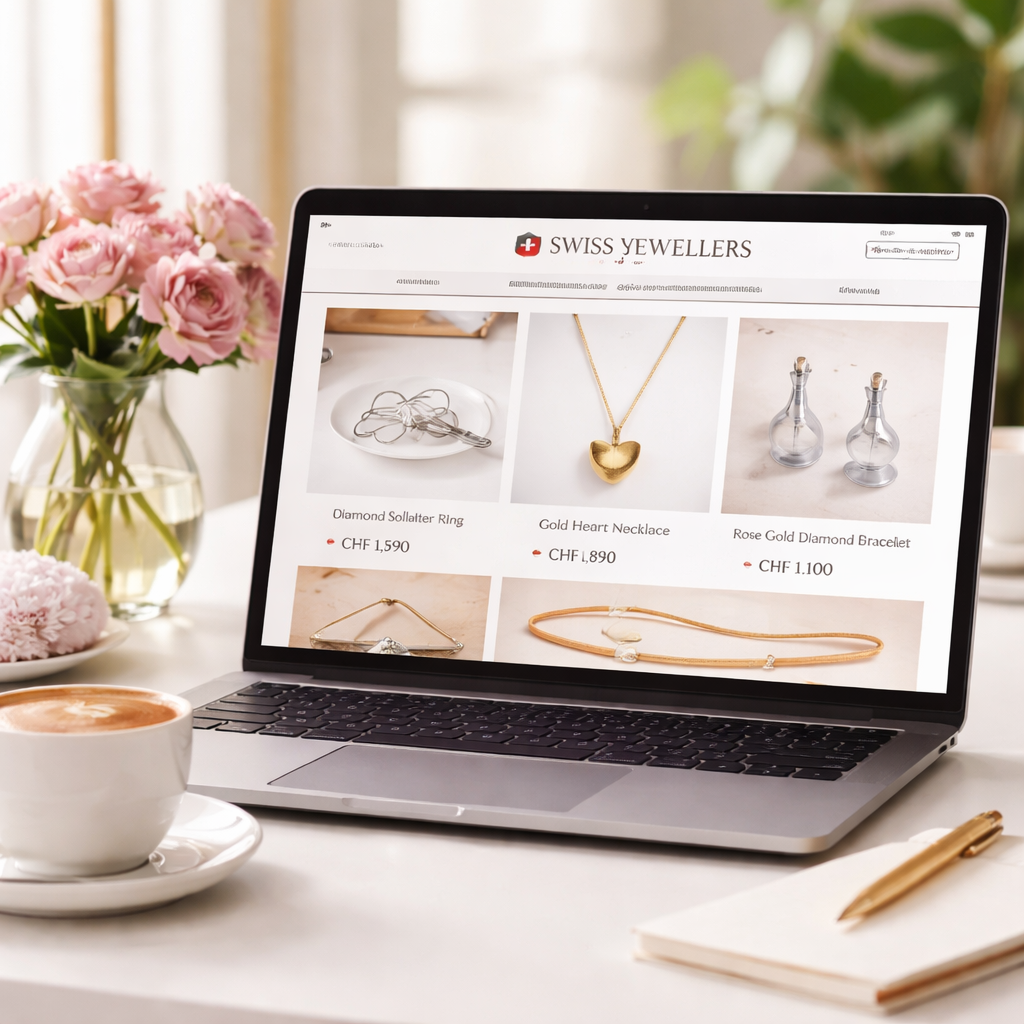
Step 2: Compare Prices, Shipping, and Authenticity Guarantees
Now that you know which sites look legit, it’s time to line up the numbers. A low price that hides a big shipping fee can turn a great find into a pricey surprise.
First, write down the base price you see for the piece you like. Then check if the site adds a flat fee, a weight‑based charge, or free shipping over a certain amount. Finally, make sure the retailer promises a recognised certificate – GIA, IGI or the Swiss Gemmological Institute – before you click ‘buy’.
Quick price‑shipping cheat sheet
| Retailer | Price range (EUR) | Shipping cost | Authenticity guarantee |
|---|---|---|---|
| vintagewatchservices.eu | €300‑€2,500 | Free above €500, otherwise €25 | GIA or IGI certificate |
| Watchdreamer | €250‑€1,800 | Flat €30 EU, free over €1,000 | Swiss Gemmological Institute |
| helvecy.com | €350‑€3,200 | Calculated by weight, starts at €20 | GIA certificate |
Take a minute to copy this table into a note. When you see a piece you like, fill in the actual numbers. Seeing everything side‑by‑side makes the cheapest true deal pop out.
What about the fine‑print? Some sites will say “shipping included” but then add a customs fee for non‑EU buyers. Look for a clear line that says “incl. duties” if you’re ordering from the UK or elsewhere.
And don’t forget the guarantee. A certificate isn’t just paper – it proves the carat, cut and colour match the listing. If a site skips the certificate, walk away. A trusted shop will let you download the PDF before you pay.
If you’re after a piece that’s both ethical and certified, check out the ethical diamond buying guide. It walks you through what to look for in a lab report and how to spot hidden fees.
Bottom line: compare three things – price, shipping, certificate. When all three line up, you’ve found a safe spot to buy Swiss jewellery online.
Step 3: Verify Certifications and Return Policies
Now that you know which sites look legit, the next thing to check is the fine‑print. A certificate tells you the stone’s true quality, and a clear return policy protects you if something goes wrong.
First, open the product page and look for a lab report badge. Common labs are GIA, IGI, and the Swiss Gemmological Institute. If the badge links to a PDF you can download, that’s a good sign. If the site only shows a blurry image or says “certificate available on request,” walk away.
How to read a certification
Take a quick glance at the four key items: the carat weight, the cut grade, the colour grade, and the clarity grade. All four should match the description in the listing. If the numbers differ, flag it.
Next, check the date on the report. A recent report means the stone was graded close to the sale date, which reduces the chance of a mix‑up.
Return policy checklist
- Is the policy written in plain language?
- Does it give you at least 14 days to inspect the piece?
- Are return shipping costs covered, or will you have to pay?
- Is there a clear process for getting a refund or exchange?
If any of these points are vague, contact the seller before you buy. A quick email asking “What’s your return process for a certified ring?” can reveal a lot.
Some sites offer a “no‑questions‑asked” 30‑day guarantee. That’s a strong cue that they trust their own quality. Others may only accept returns if the item is damaged in transit – that’s still okay, but you’ll need to document the damage right away.
Pro tip: keep a screenshot of the certification page and the return policy before you checkout. If the site later changes the wording, you have proof of what was promised.
For a deeper dive into how certificates work, you might read our real diamond nose ring buying guide. It walks you through the same lab reports you’ll see on any Swiss jewellery site.
Make sure the policy says who pays for return shipping. If the seller covers it, you won’t be stuck paying extra to send a piece back. Some retailers also offer a prepaid label – that’s a nice extra safety net. Always read the fine print before you click buy.
Bottom line: a solid certificate and a fair return policy are the two pillars of a safe purchase. When both are in place, you can shop for Swiss jewellery online with confidence.
Step 4: Complete a Secure Purchase and Care for Your Jewellery
Now you’ve checked the rating, the price and the certificate. It’s time to finish the checkout and think about looking after the piece.
Pay safely
Choose a payment method that offers buyer protection – credit cards or PayPal are good bets. If the site lets you use a secure checkout link (https://), you’ll see a little padlock in the address bar. That tiny icon tells you the connection is encrypted.
Before you hit “buy”, double‑check the total. Some sites add a customs fee for EU orders – it should be spelled out in the cart. If the fee looks hidden, ask the seller or walk away.
Get the paperwork right
When the order confirms, you should receive a PDF of the gem’s certificate. Save it in a cloud folder and print a copy to keep with the box. If the email never arrives, contact support within 24 hours – that paper trail saves you trouble later.
Pro tip: take a screenshot of the shipping address and the return policy before you confirm. If the site changes the wording, you have proof of what was promised.
Unbox with care
When the parcel lands, open it on a soft surface. Check the jewellery for any scratches or missing parts before you sign for the package. If something’s off, photograph the issue and email the seller right away.
Store the piece in a soft pouch or a jewelry box with a separate compartment. Avoid laying it on hard surfaces that can scratch the metal or stones.
For gold or silver pieces, a quick wipe with a dry cloth keeps the shine. Diamond jewellery benefits from a gentle brush and warm, soapy water once a month. If you’re not sure, the diamond helix earrings guide shows a safe cleaning routine.
And what about insurance? Many Swiss sellers, including Cervin Blanc, offer a basic coverage plan at checkout. It’s worth adding if the item is a wedding ring or a high‑value pendant.
Finally, keep the receipt, the certificate and the insurance document together. If you ever need to return or claim, you’ll have everything in one place.
Follow these steps and you’ll feel confident that you’ve made a safe purchase wherever you choose to buy Swiss jewellery online.
Conclusion: Make Your Swiss Jewellery Purchase with Confidence
When you know how to spot a rating of 4.8 or higher, check the shipping fee up front, and demand a real GIA or IGI certificate, the risk drops dramatically. That’s the core of knowing where to buy Swiss jewellery online.
Look for a lock icon in the URL, a clear return window of at least 14 days, and free or flat‑rate shipping that’s shown before checkout. If the seller can’t give you a PDF certificate, walk away, it’s a red flag.
One quick habit is to write down the price, shipping cost, and guarantee before you click “buy”. Compare those notes across a few sites and the safest option will stand out.
At Cervin Blanc we keep the rating high, list shipping fees clearly, and include a GIA certificate with every piece, so you can shop with peace of mind.
Now you’ve got the checklist. Trust it, and enjoy your new Swiss treasure.
Frequently Asked Questions
What should I look for when choosing where to buy Swiss jewellery online?
When you hunt for Swiss jewellery online, start with the rating. Look for a score of 4.8 or higher on a trusted review site – that usually means happy buyers. Next, check if the site shows shipping fees before you add anything to the cart. A clear GIA or IGI certificate should be easy to find on the product page. Finally, make sure the return window is at least 14 days and the site uses a secure https connection with a lock icon.
How can I tell if the shipping cost is hidden until checkout?
A hidden shipping fee pops up at the last step, and that can bust your budget. To catch it early, add a low-price item to the basket and go to the shipping page. If the total jumps, the fee wasn’t shown up front. Look for a flat rate like €25 or a free-shipping threshold such as €300. Sites that list the cost early save you from surprise charges.
Why is a GIA or IGI certificate important?
A GIA or IGI certificate is the proof that the stone is real and matches the description. It tells you the carat, cut, colour and clarity have been checked by an independent lab. With a certificate you can insure the piece, sell it later, or simply feel sure you paid for quality. If a seller can’t give you a PDF copy, walk away – it’s a red flag.
What return policy protects me best?
The best return policy gives you at least 14 days to send back the item, covers the return shipping cost, and asks you to keep the original box and paperwork. Write down the deadline and who pays for the parcel before you buy. If the seller only offers a 7‑day window or makes you pay for return postage, you might want to look elsewhere.
Is it safe to pay with a credit card or PayPal?
Paying with a credit card or PayPal adds a layer of protection. Both methods use encryption and give you the chance to dispute a charge if the jewellery never arrives or isn’t as described. Check that the web address starts with https:// and shows a lock icon. If the site asks for your bank account number directly, stop and contact customer service.
Can I compare prices across sites easily?
Comparing prices is easier when you write down three key figures: the sticker price, the shipping cost and the guarantee details. Use a simple spreadsheet or even a pen-and-paper table. Convert any euros to pounds if you shop from the UK, so the total cost lines up. Sort the list by the lowest all‑in price to spot the best deal.