

Imagine you’re at a jeweller’s shop, hand‑in‑hand with your partner. You’ve found the perfect diamond, but now the metal feels like a puzzle. The sales associate shows you a gleaming white gold band and a cool‑toned platinum band. Both look stunning, yet the price tags differ. You start to wonder about the differences between white gold and platinum, how each will feel on your finger, and which will last a lifetime. This guide walks you through every angle—composition, look, care, cost, and style—so you can pick the metal that matches your budget and your love story.
What Is White Gold? Composition, Appearance, and Care
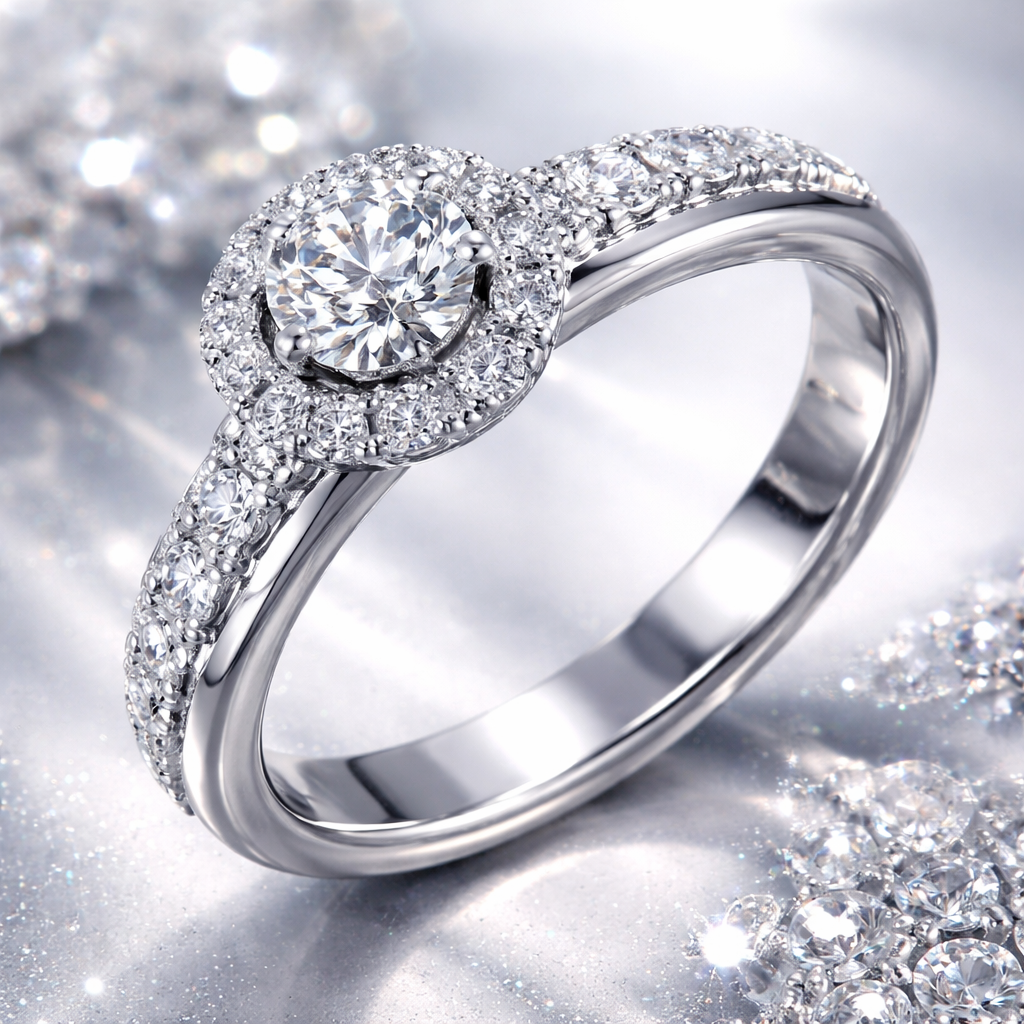
White gold is a blend of pure gold and white metals like nickel, palladium, silver, or zinc. The gold gives value, while the other metals add strength and a silvery hue.
Pure gold (24K) is bright yellow and soft, so jewelers never use it for rings that will be worn daily. By mixing gold with harder alloys, the metal becomes tough enough for everyday life.
Most fine jewellery uses 14K or 18K white gold. 14K means 58.3% gold, the rest is alloy; 18K means 75% gold. Higher karat means richer gold content but a softer feel.
Even after mixing, the metal still has a faint yellow tint. To get the bright “white” look, most pieces are plated with a thin layer of rhodium, a silvery metal from the platinum family. Rhodium adds shine and a protective coat that resists scratches.
Over time the rhodium can wear off, especially on rings that see a lot of action. When that happens the band may look a little warmer. A jeweller can re‑plate it, bringing back that mirror‑white finish.
Because some white gold alloys contain nickel, people with sensitive skin can react. Look for nickel‑free mixes that use palladium or platinum instead.
Here are three tips to keep white gold looking fresh:
- Schedule a rhodium replating every 1‑2 years if you wear the piece daily.
- Clean with warm soapy water and a soft brush; avoid harsh chemicals.
- Store pieces separately in soft pouches to prevent scratching.
For a real‑world example, a client bought an 18K white gold solitaire ring. After three years the rhodium wore thin, so the jeweller replated it and the ring looked brand new again.
Want to see a classic white‑gold piece? Check out the 18ct White Gold 0.76ct Round & Baguette Diamond Bow Earrings from Cervin Blanc.
Read more about the science behind white gold at Beauty & The Mist and learn why rhodium plating matters at the same source.
What Is Platinum? Composition, Appearance, and Care
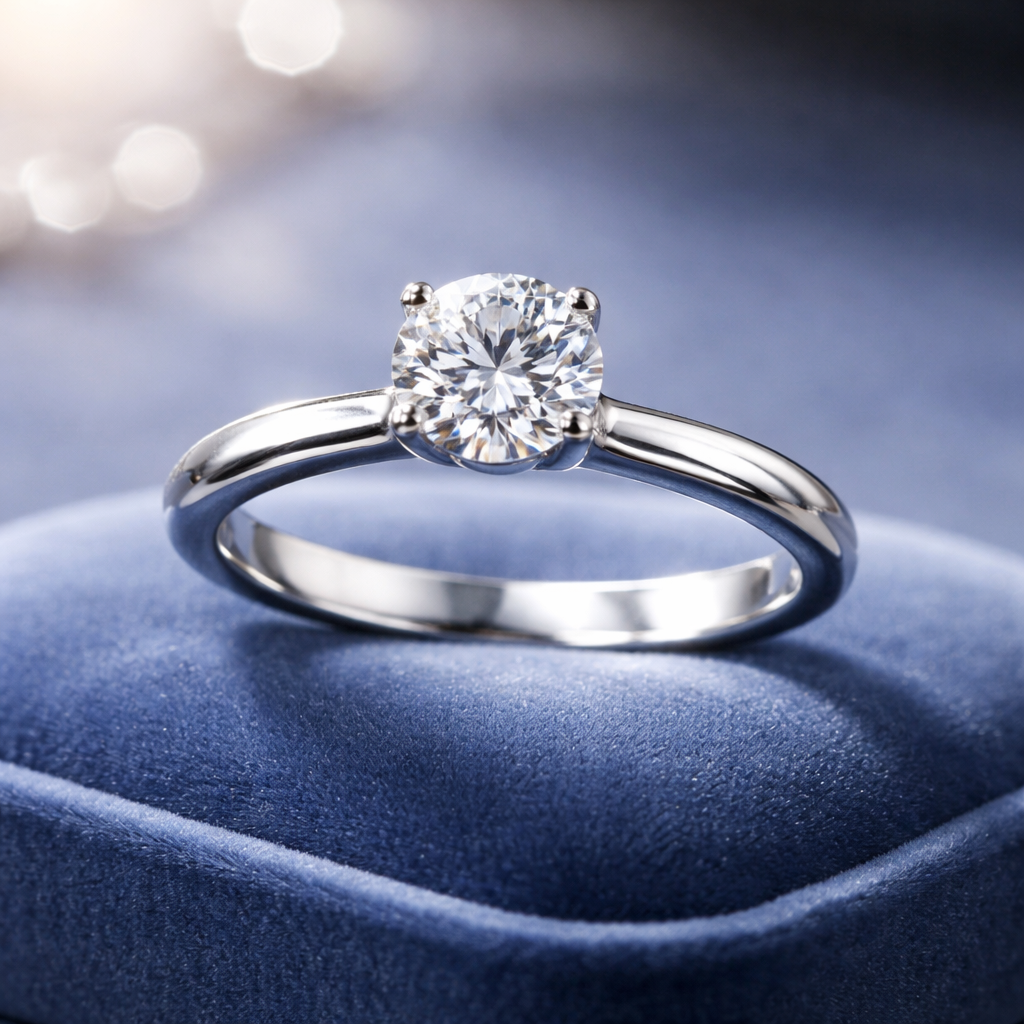
Platinum is a pure precious metal, usually sold at 950 (95%) purity for jewellery. The remaining 5% is made of metals like ruthenium or cobalt, which help the metal flow when melted.
At 21.45 g/cm³ platinum is denser than gold (19.32 g/cm³). That extra density makes a platinum ring feel heavier and more substantial on the finger.
Because platinum is naturally white, it doesn’t need rhodium plating. The metal itself has a bright, mirror‑polished surface that stays true over time.
Platinum is hypoallergenic. Even people who react to nickel can wear platinum without irritation.
Its durability comes from its tight atomic packing. When scratched, the metal moves rather than flaking off, so the piece retains its full weight.
However, that same density makes platinum more expensive per gram. A platinum band can weigh 30‑40% more than a 14K white gold band of the same size.
Three care tips for platinum:
- Polish with a soft cloth; you don’t need to re‑plate.
- Avoid abrasive cleaners; a gentle soap solution works best.
- Store in a padded box to keep the surface free of dents.
Example: A bride chose a 950 platinum wedding band. After ten years the band developed a subtle patina, a soft matte look that she loves because it tells a story.
Learn about platinum’s density and how it helps verify authenticity at U.S. Gold Bureau and see why that density matters for long‑term wear at the same source.
Side-by-Side Comparison: White Gold vs Platinum
Below is a quick look at the key differences between white gold and platinum. This table helps you see the trade‑offs at a glance.
| Aspect | White Gold | Platinum |
|---|---|---|
| Purity | 14K (58.3%) or 18K (75%) gold mixed with alloys | Typically 950 (95%) pure platinum |
| Color | Yellowish white; relies on rhodium plating for bright finish | Naturally white; no plating needed |
| Density (g/cm³) | ~13‑14 (varies by alloy) | 21.45 – feels heavier |
| Durability | Harder than yellow gold but can lose metal when scratched | Very durable; metal shifts rather than wears away |
| Hypoallergenic? | Only if nickel‑free | Yes, naturally |
| Cost | Generally 30‑50% less than platinum for same design | Higher price due to rarity and weight |
| Maintenance | Rhodium replating every 1‑2 years | Polish occasionally; no replating |
Here are three quick pros and cons to keep in mind:
- White Gold: Light weight, lower price, easy to match with many designs. Needs periodic rhodium upkeep.
- Platinum: Heavier, hypoallergenic, retains metal when scratched. Higher upfront cost.
- Both: Offer a cool, modern look that pairs well with diamonds.
Read a jeweller’s take on the pros and cons at Ken & Dana Design and see a deeper dive into durability at Serendipity Diamonds.
Choosing the Right Metal for Your Engagement Ring or Wedding Band
When you pick a metal, think about three things: how it looks with your diamond, how it feels on your hand, and how much you’re willing to spend.
Appearance matters most when you look at the stone. White gold’s bright rhodium can make a diamond sparkle like ice. Platinum’s natural white tone gives a subtle, classic glow.
Weight is another factor. A platinum band can feel like a tiny weight‑lifting set, while white gold feels lighter. Some people love that heft; others prefer the feather‑light feel of gold.
Cost is the third piece of the puzzle. A 1 carat diamond set in 18K white gold may cost 30‑40% less than the same stone set in platinum.
Here are four steps to decide:
- Try both metals on your hand. Notice the weight and how the colour matches your skin tone.
- Check the alloy. If you have nickel sensitivity, ask for nickel‑free white gold or choose platinum.
- Ask about maintenance. Will you be okay with rhodium replating every couple of years?
- Set a budget. Remember that the metal is only part of the total price; the diamond’s quality drives most of the cost.
For more on how to blend metal choice with diamond style, you can explore Your Complete Guide to Photo Booth Rental Temecula for Unforgettable Events, which shows how thoughtful planning makes any event shine—just like picking the right metal makes your ring shine.
Need a visual walk‑through? Watch this short video that breaks down the look and feel of both metals.
Read the full guide on platinum versus white gold wedding bands at Diamond Nexus and learn why many couples lean toward platinum for its low‑maintenance nature at the same source.
Looking for extra inspiration? Check out these related reads:
- Mirror Photo Booth Rental: 7 Must‑Know Tips for an Unforgettable Event
- How to Choose the Perfect Wedding Photo Booth Rental: A Step‑by‑Step Guide
- Everything You Need to Know About 360 Video Booth Rental
- How to Choose the Perfect Prom Photo Booth Rental for an Unforgettable Night
- Photo Booth Rental Murrieta: A Complete Guide for 2026 Events
- Your Complete Guide to Photo Booth Rental San Diego
- How to Choose the Best Corporate Event Photo Booth Rental for Your Business
- Photo Booth Rental for Graduation Party: A Step‑by‑Step Guide
- Buying a Pontoon Boat OK: 7 Essential Tips for Choosing the Right Vessel
- Your Complete Guide to Photo Booth Rental Temecula for Unforgettable Events
Conclusion
The differences between white gold and platinum come down to three big ideas: colour, cost, and care. White gold gives you a bright look at a lower price but asks for rhodium upkeep. Platinum offers a natural white shine, a heavier feel, and hypoallergenic comfort, but you pay more up front. Think about how each metal will sit on your skin, how much you’re ready to spend on maintenance, and which look matches your style.
Whether you pick a light‑weight white gold band or a solid platinum piece, the right choice will make your engagement ring feel personal and lasting. Take the time to try both, ask about alloy details, and set a realistic budget. When you walk down the aisle, you’ll know your ring was chosen with care, not just cost.
Frequently Asked Questions
What are the main visual differences between white gold and platinum?
White gold often needs a rhodium coat to look bright, while platinum is naturally white. Over time, white gold may show a slight yellow tint if the plating wears off, whereas platinum keeps its colour. Understanding these differences between white gold and platinum helps you decide if you prefer a lighter look that needs occasional polishing or a steady shine that stays true.
How does weight affect comfort when choosing between white gold and platinum?
Platinum is denser, so a ring feels heavier on the finger. Some people like that solid feel; others prefer the feather‑light feel of white gold. If you’re used to wearing watches all day, you might enjoy the heft of platinum. If you want a barely‑there band, white gold’s lighter weight is a plus when weighing the differences between white gold and platinum.
Is white gold or platinum better for people with metal allergies?
Platinum is naturally hypoallergenic, making it safe for most skin types. White gold can be alloyed with nickel, which triggers reactions in many. Look for nickel‑free white gold that uses palladium instead. Knowing the differences between white gold and platinum lets you pick the metal that won’t irritate your skin.
Will my white gold ring lose metal over time?
When white gold gets scratched, a tiny amount of metal can be removed, leaving a small groove. Platinum, by contrast, moves the metal rather than losing it. If you expect heavy daily wear, the differences between white gold and platinum matter because platinum retains its full weight longer.
How often should I re‑plate my white gold jewelry?
Most jewelers recommend rhodium replating every 1‑2 years, especially for rings worn daily. The exact timing depends on how often you wear the piece and how much exposure it gets to chemicals or hard surfaces. Keeping track of replating helps you manage the differences between white gold and platinum maintenance schedules.
Can I mix metals, like a white gold band with a platinum setting?
Yes, designers often pair a white gold shank with a platinum setting to get the best of both worlds. This hybrid approach lets you enjoy the lighter weight of white gold while benefitting from platinum’s strength where the diamond sits. Mixing metals is a clever way to balance the differences between white gold and platinum.
Is platinum always more expensive than white gold?
Generally, yes. Platinum’s higher purity, greater density, and rarity push its price up. White gold’s cost is tied to its gold content, which is lower in 14K and 18K pieces. However, market fluctuations can narrow the gap, so compare current prices before deciding. The differences between white gold and platinum will show up in the final bill.
How should I clean and store my white gold or platinum rings?
Both metals benefit from gentle cleaning with warm soapy water and a soft brush. Dry with a lint‑free cloth. Store each piece in a soft pouch or a lined jewellery box to avoid scratches. For white gold, schedule a rhodium check‑up every couple of years; platinum needs only occasional polishing. Proper care keeps the differences between white gold and platinum from turning into problems.