
Sustainable jewellery brands across Europe are reshaping how we wear sparkle. They prove that beauty doesn’t have to cost the planet.
For many women in Switzerland or the United Kingdom, the biggest hurdle is knowing which names actually walk the talk. A brand might shout ‘eco‑friendly’ but hide the truth behind vague claims. You deserve a clear path.
Picture this: you’re looking for an engagement ring that feels timeless yet leaves a light footprint. A hypothetical brand sources 100% recycled gold, uses lab‑grown diamonds, and offers a free repair service that keeps the piece alive for years. You check their website, find a transparent supply‑chain map, and feel confident about the purchase.
Here are three steps you can take right now: 1) Search for certifications like Responsible Jewellery Council or Fairmined; 2) Read the brand’s material sourcing page and note any recycled or up‑cycled claims; 3) Ask the retailer about repair or take‑back programmes that extend the life of the jewellery.
Need inspiration for a milestone gift? Luxury jewellery gift ideas for anniversary showcase pieces that blend elegance with ethical sourcing, giving you a ready‑made list of options that match your values.
Because sustainable style often goes hand‑in‑hand with other eco‑luxury choices, you might also enjoy learning how to showcase nature‑inspired decor at home. Check out this guide on how to display coastal wood flower art in your living room for a seamless look that echoes your jewellery’s story.
Why sustainability matters in jewellery
The sparkle of a ring can hide a heavy cost. Mining for gold and diamonds digs deep scars into the earth. Those scars turn into water pollution, habitat loss, and carbon emissions.
When a brand chooses recycled metal or lab-grown stones, those impacts shrink. It means less energy, fewer chemicals, and a lighter footprint for each piece. That’s why sustainable jewellery matters across Europe.

For you, it’s about feeling good. It’s about owning something that respects the planet you love. A piece that stays bright for years reduces the need for new mining.
One simple way to stretch a piece’s life is proper care. Cleaning gold with gentle home methods keeps it shining and stops corrosion. Learn more in our guide on how to clean gold jewellery at home.
When you pick a brand that is transparent about its supply chain, you also support miners who earn fair wages. You help shift the market toward more responsible practices.
Sustainable practices also protect biodiversity. When mining is reduced, forests and rivers stay intact, keeping wildlife safe. This ripple effect benefits the countryside you might walk through in Switzerland or the UK.
So next time you shop, ask yourself: does this ring come from recycled gold? Can I keep it forever with the right care? Choosing sustainably means your sparkle stays bright while the earth stays healthier.
Make that question part of every purchase and you’ll see how small choices add up to big change.
Key criteria to evaluate sustainable jewellery brands
When you shop for sparkle, the brand’s story matters as much as the stone. Look for signs that the company truly walks the sustainable path. The European sustainable jewellery market is now worth around €10 billion and growing at double‑digit rates, according to a recent European sustainable jewellery market report.
Certifications
First, check for recognised certifications. The Responsible Jewellery Council (RJC) and Fairmined are the gold standards in Europe. A label from either one shows the metal and gems were mined or recycled responsibly.
Material sourcing
Next, dig into the material list. Recycled gold or silver cuts the need for new mining and lowers the carbon footprint. Lab‑grown diamonds use far less energy than mined stones and avoid conflict zones. If the product page tells you the exact percentage of recycled content, you’re in good hands.
Transparency & circularity
Third, demand transparency. Brands that publish a supply‑chain map or use blockchain to trace each stone let you see where every gram comes from. A take‑back or repair programme signals they plan for the piece’s whole life, not just the sale.
| Criterion | What to Look For | Example Action |
|---|---|---|
| Certifications | RJC, Fairmined, or other recognised eco labels | Check the brand’s “sustainability” page for badge icons |
| Material sourcing | Recycled gold/silver, lab‑grown diamonds, conflict‑free gems | Read the product description for percentages |
| Transparency & circularity | Supply‑chain map, blockchain trace, repair or take‑back programme | Ask customer service about end‑of‑life options |
Use this quick checklist when you scroll through a product page. If a brand ticks most boxes, it’s a solid pick for ethical sparkle.
Seeing the process in action helps you trust the claim. Watch the short clip above to see how recycled metal is melted and refined without harmful chemicals.
Top 5 sustainable jewellery brands in Europe
When you want sparkle that won’t hurt the planet, a few names keep popping up across Europe.
Cervin Blanc (Switzerland)
Our pick starts with Cervin Blanc. The brand blends Swiss design with recycled gold and lab‑grown diamonds. Every piece shows a clear metal‑content label, so you know the reclaimed share.
Ask for the % of recycled metal and the hallmarks before you buy.
Dainty London (UK)
Dainty London builds each item from recycled silver or gold and adds provenance notes on the product page. Free UK delivery over £50.
Check for a “traceability” badge – it shows they follow the five‑point checklist.Read more
Edge of Ember (UK)
Edge of Ember uses only lab‑grown diamonds and 100 % recycled metals. Lab‑grown diamonds now make up about 20 % of the market, a trend highlighted by industry coverage. Their Re/Make program lets you send back old pieces for store credit.
Action: when you see a piece, look for the “Re/Make” label and ask about the credit value.
Mejuri (Canada, ships EU)
Mejuri’s “Salmon Gold” comes from re‑mined legacy waste and is fully traceable. They claim about 95 % of their gold and silver are recycled.
Ask for the recycling source if you want to see the numbers.
Lark & Berry (UK)
Lark & Berry sells only lab‑grown diamonds made with renewable energy. Their passports trace each stone.
Look for the passport link on the product page and keep a copy for future resale.
Use this cheat‑sheet: note brand, recycled %, certification badge, and any repair or take‑back offer. If a brand ticks most boxes, you’ve found a sustainable choice.
How to verify a brand’s sustainability credentials
First, hunt for recognised badges. Look for the Responsible Jewellery Council, Fairmined, or any label that a third‑party has granted. If you see a logo, click it and see what it covers: gold, diamonds, or the whole supply chain.
Next, read the brand’s green‑claims page. In the UK the Competition and Markets Authority has a six‑point Green Claims Code that tells you what “sustainable” should really mean. Does the brand spell out each point? If they skip one, ask for proof.
Then, check the supply‑chain map. A clear diagram or a blockchain trace that shows where the metal came from is a good sign. If the site only says “ethically sourced,” ask for the exact mine or recycled source.
Look for a take‑back or repair programme. Brands that plan for a piece’s whole life are usually serious about circularity. Write down the terms: is there a fee, a credit, or a free service?
Finally, compare the numbers. Many brands list a percent of recycled content. A credible claim will match an audit report or an independent lab test. If you can’t find the report, treat the claim with caution.
Put these steps on a cheat‑sheet. Tick each box as you browse. When most boxes are green, you’ve found a trustworthy sustainable jewellery brand in Europe.
Future trends and innovations in sustainable jewellery
One thing is clear: the market is moving fast. New tech and fresh ideas are shaping how sustainable jewellery brands Europe work.
First, 3‑D printing lets makers use exactly the metal they need. No extra waste, no big molds. When a designer prints a ring in recycled gold, the piece is lighter on the planet and still looks luxe.
Second, lab‑grown diamonds keep getting better. They need far less energy than mined stones and can be made in a Swiss lab with renewable power. That means more sparkle for less carbon.
Third, blockchain tags are becoming standard. A tiny code on the back of a pendant can show you the mine, the recycler, and the factory in real time. You can scan it with a phone and see a clear supply‑chain map.
Next, circular design is rising. Brands are offering modular pieces that you can swap out or upgrade. A simple clasp can be replaced with a new gem, extending the life of the jewellery and cutting down new production. They also let you change a ring’s stone later, so you don’t need a brand‑new piece each time.
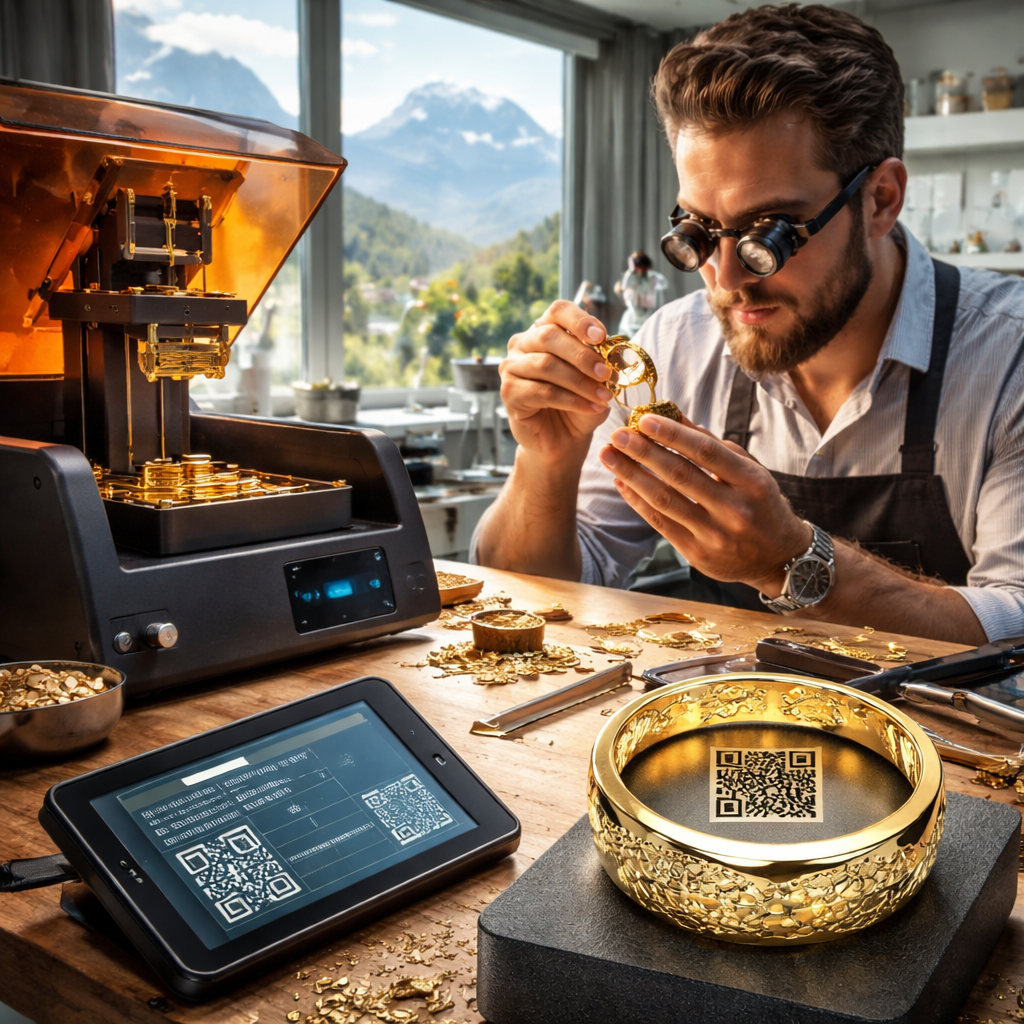
Finally, many workshops are moving to solar‑run furnaces. When the heat comes from the sun, the carbon score drops even more. Cervin Blanc follows this path, using Swiss‑engineered solar ovens for small batches of gold.
Keep an eye on these trends. They will help you pick pieces that stay beautiful and stay kind to the earth.
Conclusion
You've seen how clean power, blockchain tags and modular designs are reshaping sustainable jewellery brands Europe.
What matters most is a brand that shows you exactly where the gold comes from, lets you trade or repair a piece, and keeps the carbon score low.
That mix of traceability and circular design is why many shoppers in Switzerland and the UK gravitate toward brands like Cervin Blanc, which blends Swiss engineered solar ovens with clear metal content labels.
Next time you browse, pause on the certification badge, check the recycled metal percentage, and ask about a take back service. If the answer checks most of those boxes, you've found a responsible choice.
Ready to add a timeless piece that respects the planet? Start your search with a quick checklist and let the sparkle match your values.
Remember, each mindful purchase helps push the industry toward a greener future.
FAQ
How can I tell if a sustainable jewellery brand in Europe is genuine?
Start by checking for clear proof, not just vague claims. Look for a recognised badge like the Responsible Jewellery Council or Fairmined on the product page, and click it to see what it covers. A brand should also share a supply-chain map or a QR code that lets you trace the metal and stones back to the source. If the site hides details, it’s a red flag.
Which certifications prove a jewellery brand’s sustainability in Europe?
The two most trusted marks in Europe are the Responsible Jewellery Council (RJC) and Fairmined. RJC checks the whole chain that covers mining, refining, and manufacturing for social and environmental standards. Fairmined focuses on gold that comes from small‑scale mines with strict eco rules. When you see either logo, it means an independent auditor has signed off on the claim, giving you confidence in the product.
Does recycled gold really lower the carbon impact?
Recycled gold skips the mining stage, which is the most energy‑hungry part of the life‑cycle. By melting down old jewellery or electronic scrap, you save the emissions that come from digging, crushing and processing new ore. Studies show that using recycled gold can cut carbon output by up to 80 percent compared with virgin gold. The result is a piece that shines bright but leaves a smaller footprint.
How do take‑back or repair programmes work for sustainable jewellery?
Most brands that care about circularity offer a take‑back or repair service. You send the old piece back, often in a prepaid box, and the jeweller cleans, fixes or melts it into new stock. Some shops give you a credit toward a future purchase, while others do the work for free. The key is to read the terms: look for any fees, time limits or condition requirements before you send anything.
Are lab‑grown diamonds a good eco choice for engagement rings?
Lab‑grown diamonds need far less energy than mined stones and they avoid the conflict issues tied to some mines. The carbon score of a lab gem can be as low as a few kilograms, compared with dozens for a natural diamond of the same size. They look the same under a loupe, so you get the sparkle you want without the heavy environmental load.
Where can I find reliable info on a brand’s supply chain?
Start with the brand’s own website; many now host a live blockchain tag or a downloadable PDF that maps every step from mine to store. If the page links to an independent audit report, that’s even better. You can also check third‑party sites that list RJC‑certified members, or ask the retailer for the audit number and look it up on the certifier’s portal.