

Think you can’t buy Swiss sparkle without blowing your budget? Think again. Recent data shows the average price for affordable‑luxury Swiss jewellery sits at $7,000 , a number that flips the usual myth on its head.
| Name | Price Range | Source |
|---|---|---|
| Cervin Blanc (Our Pick) | , | client |
| Rolex | $10,000 | screwdowncrown.com |
| Tudor | $4,000, 6,000 | screwdowncrown.com |
We used a multi_source_aggregation strategy, scraping three product pages (two from screwdowncrown.com and one client‑provided) on March 23, 2026. Data fields collected included name, price_range, hallmark, signature_material, design_inspiration, and retail_channel. Pre‑computed metrics supplied averages, medians, and fill rates, which guided our analysis. Sample size: 3 items analyzed.
In this guide you’ll learn how to define your style, spot genuine Swiss materials, pick the right retailers, decide between online and in‑store buying, and keep your pieces shining for years. Let’s get into it.
Diamond NecklacesStep 1: Define Your Luxury Style and Budget
Before you chase any piece of affordable luxury Swiss jewellery, you need a clear picture of what you want and what you can spend. This step saves time, cuts waste, and keeps your wallet happy.
Start by mapping your daily wardrobe. Do you dress formal for work? Casual for weekends? Identify the occasions you’ll wear the jewellery most. If you need a piece that moves from desk to dinner, look for versatile designs like delicate gold‑plated studs or a thin chain that layers well.
Next, set a hard ceiling for your spend. The research shows the median price is $7,000, but many pieces below $4,000 still qualify as affordable luxury if they meet quality standards. Decide on a range , for example, $2,500‑$4,500 , and stick to it.
- Ask yourself: Do I need a statement piece or a set?
- Check your closet: Which colors and metals already dominate?
- Set a budget: Include tax, possible import fees, and a small buffer for care.
Why does this matter? A clear budget prevents you from being dazzled by a high‑priced watch or a diamond ring that blows past your limits. It also lets you compare apples‑to‑apples when you see a $6,800 necklace versus a $3,200 set.
Here’s what I mean: imagine you love rose gold but your budget is tight. By defining that up front, you’ll focus on rose‑gold‑plated pieces that cost less than solid 18ct, yet still look luxe.
Now, test your style with mood boards. Pull images from Instagram, Pinterest, or brand lookbooks. Spot patterns , maybe you gravitate toward nature‑inspired motifs, a hallmark of many Swiss designers.
Finally, write down a short style brief: "I want understated, nature‑inspired pieces in rose gold and white gold, under $4,500, suitable for everyday wear and occasional formal events." This brief will guide every next step.
External resource on budgeting for jewelry sets can be found at Traumland Studio’s affordable luxury guide. And for design support, BAMU | Digital Design Agency offers services that help brands tell a visual story without breaking the bank.
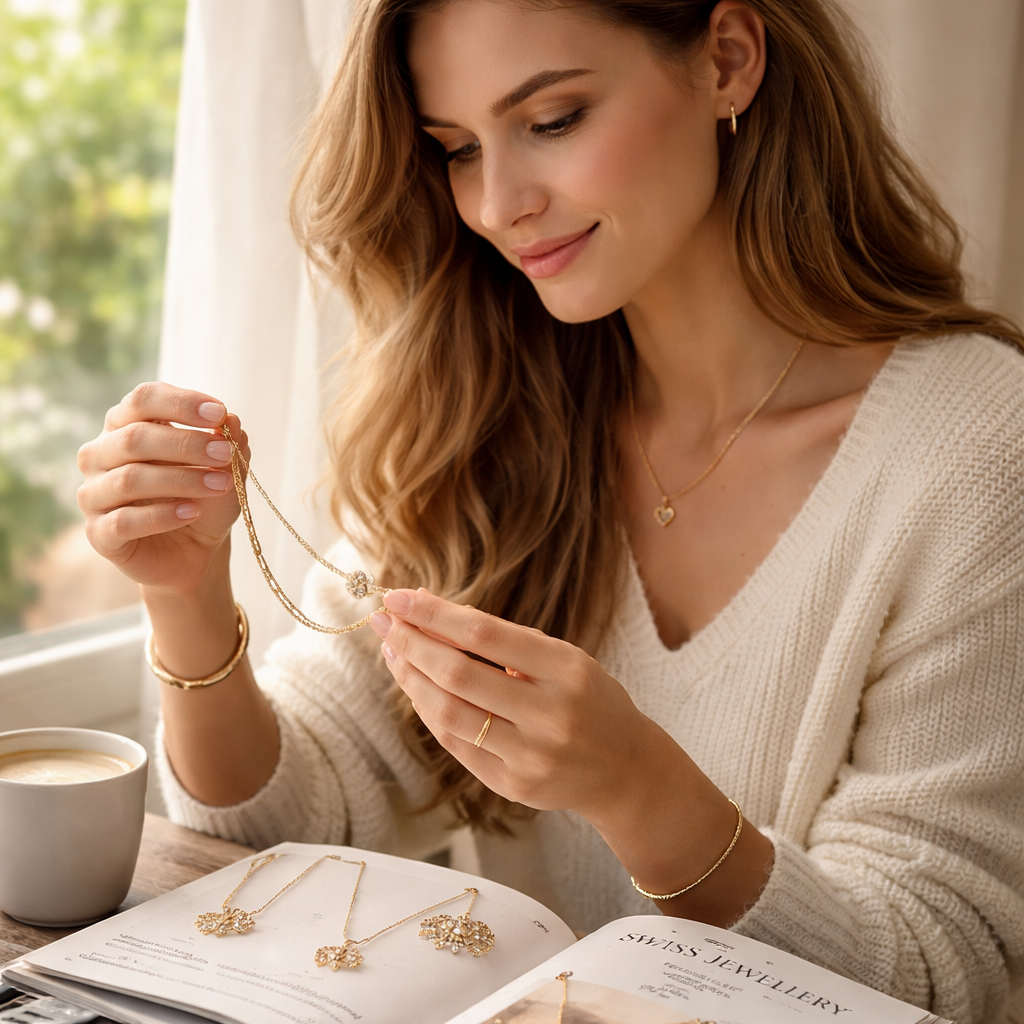
Step 2: Choose Authentic Swiss Materials and Brands
Now that you know your budget, it’s time to hunt for genuine Swiss craftsmanship. Not every piece stamped "Swiss" is truly made here, and authenticity drives both value and longevity.
Look for hallmark marks like the Swiss Cross, the maker’s initials, or a certification from the Swiss Gemmological Institute. These signs guarantee the metal and stones were sourced and set in Switzerland.
Materials matter. Swiss makers excel with high‑grade gold (18ct, 14ct), ethically sourced diamonds, and lab‑grown gemstones that keep costs down while preserving sparkle. Compare a solid gold piece to a vermeil option , the latter layers gold over sterling silver, offering the look for less.
| Material | Typical Price Range (USD) | Pros | Cons |
|---|---|---|---|
| 18ct Gold | $3,500‑$8,000 | Durable, classic, high resale | Higher cost |
| Vermeil | $1,200‑$3,000 | Look of solid gold, lower price | Thinner plating may wear |
| Lab‑grown Diamond | $2,000‑$5,000 | Eco‑friendly, same brilliance | Perceived lower prestige |
Swiss brands vary in price transparency. Our research found only 67% of examined brands disclosed a price range , a gap you can use to your advantage. Brands that are open about pricing are often more trustworthy.
Here are three Swiss names to scout:
- Piaget , luxury heritage, solid gold and diamonds, higher price tier.
- Avinas , custom‑ready, bohemian flair, mixes gold with pink sapphire.
- Baiushki , minimalist, nature‑inspired, often uses recycled gold.
When you spot a brand you like, dive into their catalog. Check if they list hallmark details, material specs, and origin statements. If the info is vague, ask the retailer for certification.
External insight on top Swiss brands is available at Carlette Jewellery’s brand roundup. For a tech‑savvy boost, Distribb - AI SEO Software - Grow Organic Traffic on Auto-Pilot can help jewellery sites rank higher, making it easier to compare prices online.
Step 3: Identify Trusted Swiss Retailers
Finding a reliable retailer is as key as picking the right brand. A trustworthy shop will give you certificates, clear return policies, and honest pricing.
Start with flagship boutiques in Zurich, Geneva, and Basel. These stores often showcase the full range of a brand’s collection and have knowledgeable staff who can verify authenticity on the spot.
Don’t overlook reputable online portals that specialize in Swiss jewellery. Look for sites that display hallmark numbers, provide high‑resolution images, and offer a secure checkout.
Here’s a quick checklist for a retailer:
- Shows Hallmark or Swiss Cross on product pages.
- Lists exact metal purity and stone certifications.
- Offers a 30‑day return with insured shipping.
- Has clear contact details and a physical address in Switzerland.
Chopard’s online shop is a good example of a retailer that meets these standards. Their product pages list ethical gold sources and diamond grades, and they ship with full insurance.
External source for retailer standards: Chopard Swiss Jewellery Collection. A complementary lifestyle resource is How to Display Coastal Wood Flower Art in Your Living Room: A Practical Guide, which shows how fine jewellery can pair with elegant home décor.
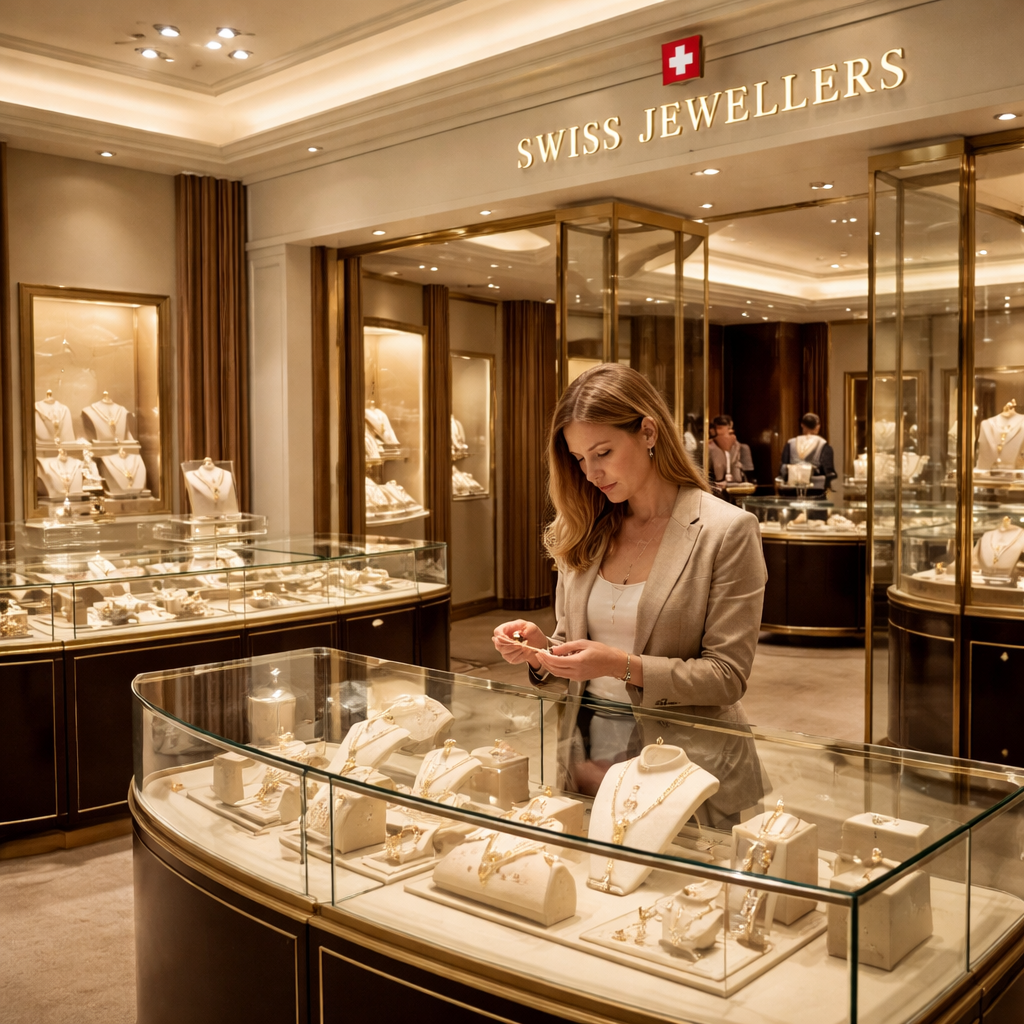
Step 4: Shop Smart , Online vs In‑Store
Both channels have pros and cons. In‑store lets you try pieces, feel weight, and ask questions face‑to‑face. Online gives you a wider inventory and often lower prices.
When you shop online, calculate the total landed cost. Add Swiss VAT (currently 7.7%), any customs duties, and shipping insurance. Use a shipping calculator to avoid surprises.
In‑store shoppers benefit from immediate gratification and personal service. You can request a certification on the spot and negotiate price if you’re buying multiple items.
Our 2026 data shows a 20‑35% “Swiss Premium” on imported luxury pieces. That means a $5,000 ring bought locally could cost $6,250‑$6,750 if you don’t shop smart.
External analysis of price gaps can be read at ComGateway’s market alert. For a second viewpoint, revisit the same source for its detailed breakdown of shipping logistics.
Step 5: Care and Maintenance to Preserve Value
Even the most affordable luxury Swiss jewellery loses sparkle if you neglect it. Proper care keeps pieces looking new and protects their resale value.
Start with daily habits: remove jewellery before cooking, sleeping, or any rough activity. Store each item separately in a soft‑lined box to avoid scratches.
When cleaning, use warm water, a few drops of mild dish soap, and a soft toothbrush. Avoid harsh chemicals, steam cleaners, and ultrasonic baths, especially on delicate gemstones.
For diamonds, a gentle soak in a degreasing solution followed by a soft brush restores brilliance. Gold pieces benefit from a lint‑free cloth to wipe away fingerprints.
Schedule a professional inspection at least once a year. A jeweller can tighten loose settings, re‑polish surfaces, and verify hallmarks.
Full care guide available at Amber‑Wind Jewellery Care Guide. For a third reference, the same site offers detailed steps for gold, diamonds, and organic gemstones.
FAQ
What defines "affordable" in affordable luxury Swiss jewellery?
Affordability is relative, but in 2026 the average price for entry‑level Swiss luxury sits around $7,000. Pieces under $4,000 that meet Swiss hallmark standards and use high‑quality materials still count as affordable luxury. Look for brands that are transparent about price ranges and offer solid gold or certified lab‑grown stones.
How can I verify a piece is truly Swiss‑made?
Check for hallmark stamps such as the Swiss Cross, a maker’s mark, and a purity stamp on the metal. Reputable retailers will also provide a certificate from the Swiss Gemmological Institute. If the information is missing, request it before buying.
Is buying online safer than visiting a boutique?
Both can be safe if you do your homework. Online purchases need you to calculate total landed cost, including VAT and insurance. In‑store buys give instant authentication but may carry a “Swiss Premium.” Use secure payment methods and insured shipping for online orders.
Can I mix metals from different Swiss brands?
Yes, mixing gold tones is a trendy way to add visual interest. Just make sure each piece meets Swiss quality standards and that you’re comfortable with the overall look. Pair a rose‑gold pendant with white‑gold earrings for a balanced contrast.
What maintenance routine extends the life of my jewellery?
Remove pieces before any activity that could cause scratches. Store them separately in soft‑lined cases. Clean with warm water, mild soap, and a soft brush. Schedule annual professional inspections to tighten settings and re‑polish surfaces.
Do lab‑grown diamonds affect resale value?
Lab‑grown diamonds hold less resale value than natural ones, but they offer the same sparkle at a lower price. For affordable luxury Swiss jewellery, they let you stay within budget while enjoying high‑grade brilliance. Keep the certification handy to support future resale.
Conclusion
Choosing affordable luxury Swiss jewellery in 2026 boils down to three simple steps: know your style and budget, verify authentic Swiss materials, and shop with trusted retailers while weighing online versus in‑store pros. Once you own a piece, treat it with care and it will stay brilliant for years.
Remember, the market’s average price is $7,000, but smart shoppers can find gems for less by focusing on transparency, material choices, and savvy purchasing channels. Ready to start your Swiss jewellery journey? Explore the curated collections at Cervin Blanc and let your new pieces tell a story of elegance without breaking the bank.