

A diamond engagement ring can change a lifetime in a single sparkle.
When you first see that flash, you picture the moment you’ll slip it on and the vows you’ll speak. That feeling starts long before the ring arrives.
Most couples feel swamped by cut, carat, metal and setting choices. Focus on what matters: a classic solitaire that lets the stone speak, or a halo for extra sparkle? Choose white gold’s cool shine or yellow gold’s warm glow.
Here’s a three‑step starter plan. First, set a budget you’re comfortable with – a ring is a symbol, not a debt trap. Second, pick a metal that fits your partner’s style. Third, choose a diamond cut that catches the light – round brilliant for fire, princess for modern edge.
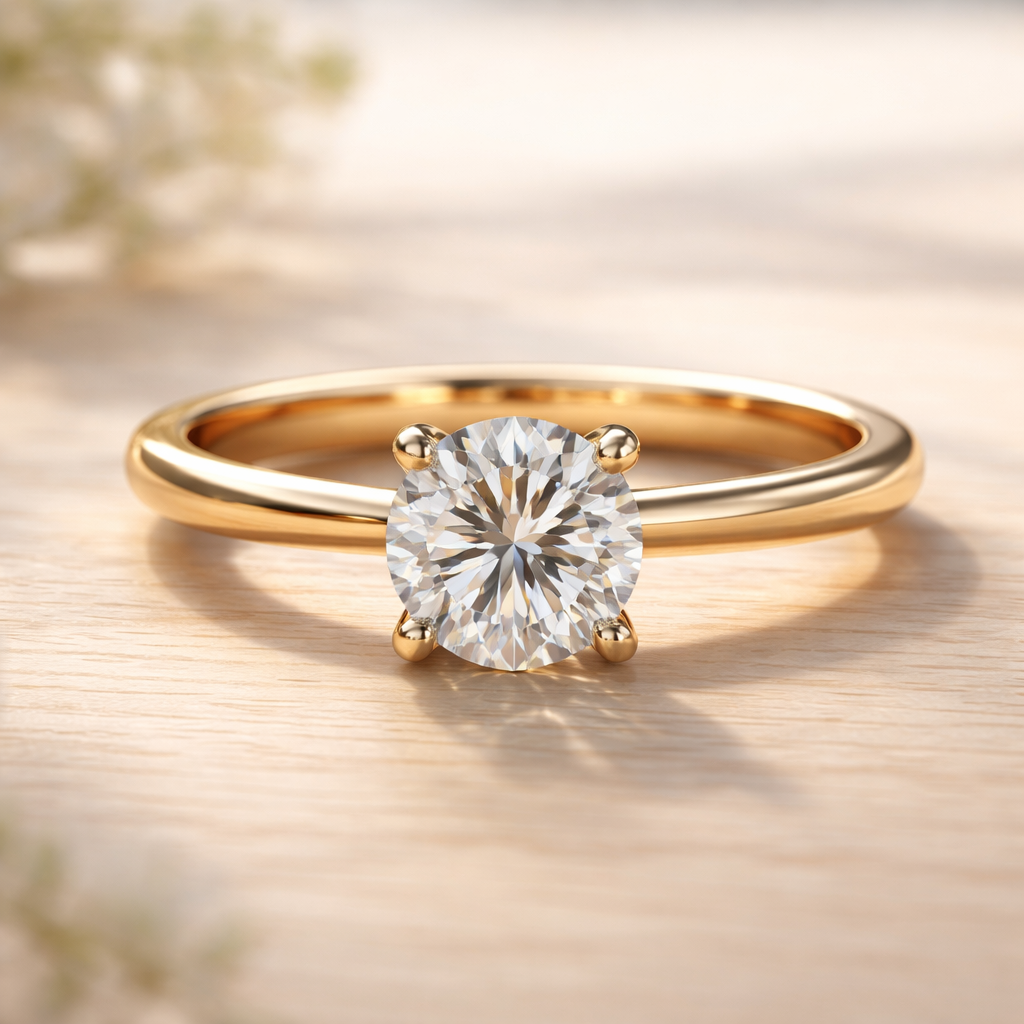
Emma in Zurich loved vintage looks, so she chose a 0.75 ct round‑cut in 18ct yellow gold. The warm tone echoed her heirlooms and the round cut gave timeless sparkle. She ordered from Cervin Blanc’s online shop and got a sizing kit that fit perfectly.
If you’re curious how promise rings set the tone for a later engagement, read Symbolising Forever: The Meaning Behind Diamond Promise Rings. It shows how a simple band can evolve into a lasting promise.
Looking for colour beyond diamonds? A guide to gemstone beads can spark ideas for custom pieces – see this gemstone beads guide. With these steps, you’ll walk into the jeweller’s studio confident and ready to pick the ring that feels like home.
Understanding the 4 Cs: Cut, Color, Clarity, and Carat
When you look at a diamond, four things decide how it will shine in a ring.
Cut
The cut is how the stone is shaped and how it reflects light. A good cut makes fire dance on your finger. A poor cut looks dull, even if the stone is big.
Color
Colour is the lack of tint. The closer to colour‑less, the more it looks like a clear drop of water. Most people pick a D‑F range for a classic look.
Clarity
Clarity measures tiny flaws inside the stone. Tiny spots called inclusions can be hard to see. For everyday wear, an SI‑1 rating gives sparkle without a big price jump.
Carat
Carat is the weight of the diamond. One carat equals 0.2 grams. Bigger isn’t always better – a well‑cut 0.8 ct can outshine a poorly cut 1 ct.
Think about how these four factors work together. A tiny, well‑cut stone can look more brilliant than a larger, low‑quality one.
Here’s a quick cheat sheet you can print:
- Prioritise cut first.
- Choose colour that fits your skin tone.
- Pick clarity that won’t show up in daily wear.
- Set a carat budget that matches your style.
Sometimes the details feel overwhelming. That’s why we made a short video that walks you through each C, point by point.
After you watch, you’ll know exactly what to ask for when you visit a jeweller.
Want a break from sparkle talk? If you’re also planning a summer pool party, Poolsandmore has great pool accessories you might like.
And if you’re fixing lights at home while the ring arrives, Electrical Ley offers reliable UK‑based electrical advice.
Now you’ve got the basics. Next, we’ll look at how to match these Cs with the perfect setting.
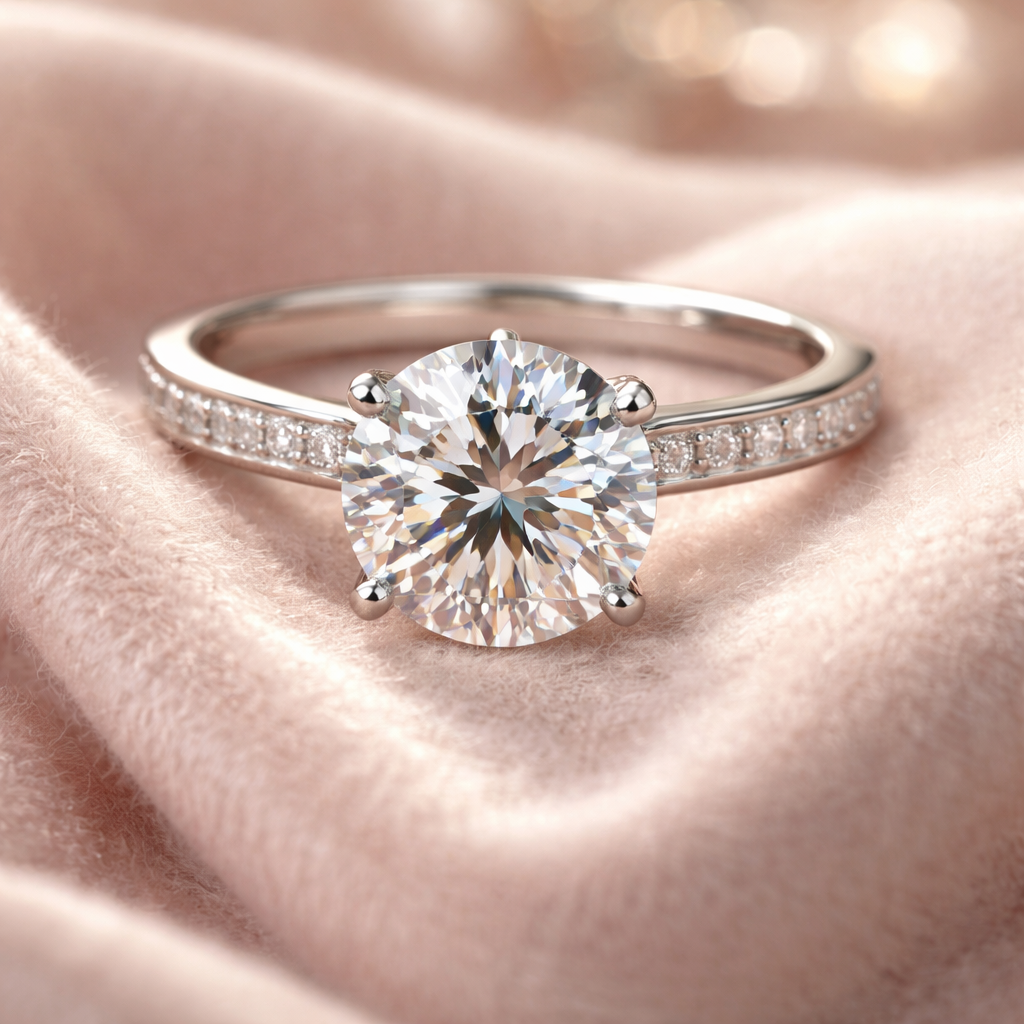
Setting Styles and Metal Choices for Diamond Engagement Rings
When you pick a setting, you’re choosing how the stone lives on the hand. The choice shapes the look, the feel, and even how long the ring lasts.
Classic solitaire
A single diamond on a thin band lets the stone do all the talking. It works for any metal – white gold, yellow gold, or platinum. If you love a clean line, this is the go‑to.
Halo and cluster
Small diamonds circle the centre stone, adding sparkle without raising the carat. A halo works especially well with a cushion or emerald cut, because the extra fire fills the corners.
Three‑stone and side‑stone bands
Two side stones tell a story of past, present and future. Choose a metal that matches the side stones – rose gold adds a warm glow, while white gold keeps it cool.
Vintage‑inspired details
Milgrain edges, filigree work, or a sculptural bezel give a nod to the past. These details look great in yellow gold, which echoes the warm tones of older pieces.
So, which metal feels right for you?
Yellow gold
It’s warm, it’s classic, it pairs naturally with champagne‑colored diamonds or coloured sapphires. The metal ages beautifully, developing a soft patina that many lovers call “character.”
White gold
Cool and modern, it makes a colourless diamond pop. It’s also a safe match for most gemstones because it doesn’t clash with any hue.
Rose gold
Soft pink tones add a romantic touch. Rose gold is a favourite for couples who want a subtle twist without going full colour.
What about the band width? In 2026, many couples choose a chunkier band to balance a larger centre stone. A wider bezel can protect a big diamond and give the ring a sturdy, architectural feel.
Here’s a quick guide to match style and metal:
- Solo diamond: thin white or yellow gold band.
- Halo or cluster: medium‑wide white gold for extra sparkle.
- Three‑stone: matching yellow or rose gold for a warm story.
- Vintage details: yellow gold with milgrain or filigree.
Looking for inspiration, check out the 2026 engagement ring trends that highlight big diamonds, colourful sapphires, and vintage‑style settings. Those ideas can help you decide what feels true to your love story.
At Cervin Blanc, we love pairing Swiss‑crafted gold with stones that speak to you. Whether you lean toward a sleek solitaire or a bold, vintage‑rich piece, the right setting and metal will make your diamond engagement ring feel like home.
Budgeting, Buying Tips, and Ethical Considerations
Set a realistic budget before you start scrolling. Think of the ring as a promise, not a debt.
Tip 1: Decide how much of your savings you’re comfortable spending. Many couples aim for 2‑3 % of their joint income, but the number can be lower if you pick a slightly smaller carat or a different metal.
Tip 2: Get a clear price list from the jeweller. Ask for a breakdown of the diamond, the metal, and any labour costs. That way you can see where you might trim without losing sparkle.
Tip 3: Shop around online and in‑store. Compare the same carat and cut across a few sources. A Swiss‑crafted piece from Cervin Blanc often costs a bit more, but you get a guarantee of Swiss quality and ethical sourcing.
Buying smart
Look for a certification that matches your values. The most trusted labs are GIA and IGI. A certified stone gives you a paper trail you can check later.
Don’t forget the setting. A thicker band can protect a larger stone and may cost less than an elaborate halo. Think about wear, a simple solitaire in yellow gold ages well and stays under the radar at work.
Ethical buying
Conflict‑free diamonds matter. The Kimberley Process works to stop blood diamonds from entering the market. Choose sellers who can show a KP certificate or a similar proof.
Ask the jeweller about their sourcing policy. Many Swiss brands source from mines that follow the KP standards and also support local communities.
Finally, think about the future. A ring that respects people and the planet will feel right for years to come.
If your budget feels tight, look at financing options. Some Swiss banks and credit unions provide low‑interest plans that spread the payment over 12 to 24 months. Choose a plan with no hidden fees and keep your monthly outgo manageable.
Insure your ring as soon as you receive it. A modest policy that covers loss, theft, or damage gives you peace of mind and protects the value you just invested. Compare quotes from Swiss insurers and pick one that matches the ring’s appraised worth.
| Consideration | Tip | Note |
|---|---|---|
| Budget | Set a ceiling based on joint income, not credit cards. | Allows flexibility for metal or carat adjustments. |
| Certification | Ask for GIA or IGI reports. | Provides independent quality proof. |
| Ethics | Verify Kimberley Process compliance. | Ensures conflict‑free sourcing. |
Conclusion
Choosing a diamond engagement ring feels huge, but the steps are simple when you break them down.
First, set a clear budget and stick to it. A solid budget lets you play with cut, colour and carat without surprise costs.
Second, lean on trusted grades – GIA or IGI reports give you a paper trail you can check later.
Third, ask about Kimberley Process compliance. Conflict‑free diamonds protect the planet and your peace of mind.
Don’t forget the practical bits: a financing plan with no hidden fees, and a modest insurance policy right after you get the ring.
Keep the ring clean with a soft brush and mild soap, or let your jeweller do a professional clean once a year. Regular checks for loose stones will keep the sparkle alive for decades.
At Cervin Blanc we blend Swiss craft with nature‑inspired design, so you get a ring that looks timeless and feels right for you.
Whether you pick a classic solitaire or a halo, the right setting frames the stone and matches your partner’s style. A sturdy band can protect a larger carat and still look elegant.
So, what’s next? Walk into the studio with your checklist, trust your gut, and let that sparkle become part of your story.
FAQ
How do I choose the right carat size for my budget?
Start with the amount you feel comfortable spending. Look at the price per carat and see how it rises as the stone gets bigger. Often a half‑carat or just under one carat gives a big visual impact without a huge jump in cost. Compare a few sizes side by side in the same cut and colour to see what feels right for you.
What does the cut grade really mean for sparkle?
Cut is the only C that changes how light moves through the stone. A good cut makes the diamond flash like tiny fireworks, even in dim rooms. Bad cut stones can look dull no matter how clear they are. Ask the jeweller to show the stone under a lamp and watch the fire; that’s the real test.
How can I tell if a diamond is conflict‑free?
Ask for a Kimberley Process certificate or a similar proof of ethical sourcing. Reputable sellers will show the paperwork without you asking. Look for GIA or IGI reports that also note the origin. If a seller can’t give any proof, walk away – the peace of mind is worth the extra check.
Should I pick white gold, yellow gold, or rose gold for my ring?
Think about the skin tone and the style you love. White gold gives a cool look that makes a colourless diamond pop. Yellow gold adds warmth and pairs well with a hint of colour in the stone. Rose gold adds a soft pink glow that feels romantic. Try a few samples on your hand; the one that feels right will guide you.
How often should I have my engagement ring inspected?
Plan a professional check at least once a year. The jeweller will tighten any loose prongs and look for tiny chips you might miss. If you work with your hands a lot, add a mid‑year visit. Regular care keeps the sparkle alive and stops small problems from growing. Doing this early can save you costly repairs later.
What’s the best way to clean a diamond engagement ring at home?
Mix warm water with a few drops of mild dish soap. Soak the ring for a few minutes, then gently brush with a soft toothbrush, paying attention to the setting. Rinse under running water and pat dry with a lint‑free cloth. Avoid harsh chemicals or abrasive pads; they can dull the metal or scratch the stone.