

Choosing how a ring looks is the first big decision for anyone planning to pop the question.
The setting decides where the stone sits, how light plays across it, and how easy it is to keep clean. A simple solitaire can feel classic, while a halo can add extra sparkle without a bigger stone.
Imagine you’re walking through a Zurich market, spotting a sleek band with a tiny side‑stone cluster. That little detail can turn a modest budget into a piece that still feels luxe.
Here are three quick steps to narrow your choice:
- Think about everyday wear, a low‑profile prong works well for active hands.
- Match the stone’s shape to the setting, round gems love a four‑prong, while emerald cuts shine in a bezel.
- Consider maintenance, open settings collect dust, so a closed bezel may suit a busy lifestyle.
If you love colour, check out best sapphire engagement rings for ideas on how coloured gems look in different settings.
By testing a few styles in the store or using a virtual try‑on, you’ll see which setting feels right on your finger before you commit.
Understanding the Basics of Engagement Ring Settings
One thing most people miss is that the setting is the silent hero of any ring. It holds the stone, decides how light plays, and tells you how easy it is to keep clean.
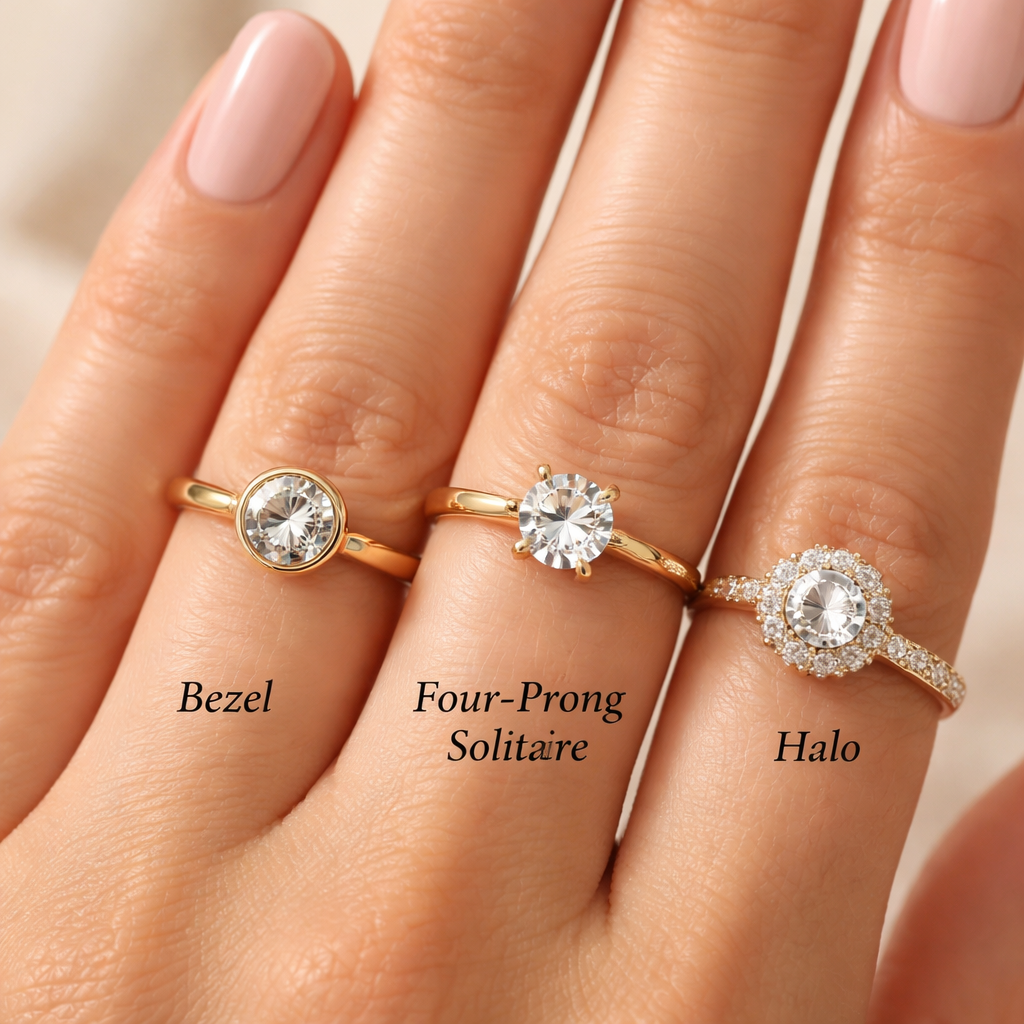
If you love a clean look, a bezel wraps the stone in metal. It feels smooth and stays safe when you’re busy. If you crave sparkle, a four‑prong lifts the stone so more light hits the top. That simple change can make a tiny diamond look huge.
Think about your daily routine. Do you type a lot? Do you wear a watch that bumps your hand? A low‑profile prong stays out of the way. A halo adds extra gems around the centre stone, but those tiny side stones can catch dust.
Now picture a Swiss chalet winter. The cold air makes your fingers numb, so you need a setting that won’t snag on gloves. A closed bezel does that well. It also gives a sleek line that feels modern without shouting.
What about colour stones? A cushion cut pairs nicely with a thin six‑prong that shows off the colour while protecting the edges. A round cut loves a classic four‑prong that lets the hue shine from every angle.
Notice how the video walks through each style step by step. Pause it when you need a break and come back with fresh eyes.
When you’re ready to compare, think of a simple checklist: metal type, stone shape, daily wear, and maintenance. Mark each box and you’ll see which setting fits your life best.
Comparing Popular Setting Styles
One style can feel totally different from another, even if the diamond is the same.
Prong settings let the stone sparkle by raising it on four or six tiny claws. They’re light, classic, and let most light hit the gem. If you love a bright flash and you’re okay with a bit of metal showing, a prong may be your go‑to.
Bezel settings wrap the stone in a thin band of metal. The look is sleek and the stone sits lower, so it’s harder to snag on a bag or a tool. A busy nurse or a hands‑on chef often picks bezel for its safety.
Cathedral vs Channel
Cathedral arches lift the centre stone high above the band. The result is drama, the stone seems to float. It works well for a romantic vibe and pairs nicely with a simple band.
Channel settings line a row of small stones between two metal walls. The band looks smooth and the side stones stay protected. If you want extra sparkle without extra prongs, channel adds shine while staying low‑profile.
Here’s a quick way to narrow it down:
- Ask yourself how active your hands are. Active → bezel or channel.
- Think about the look you crave. Height → cathedral, extra sparkle → halo or channel.
- Consider cleaning habits. Open settings need more care; closed settings stay cleaner.
For a full rundown of each mount, check out this detailed ring setting guide. Ken & Dana Design
| Setting | Look | Pros | Cons |
|---|---|---|---|
| Prong | Raised, classic | Max light return, easy to resize | Can snag, needs regular cleaning |
| Bezel | Low‑profile, modern | Very secure, good for active lifestyles | May hide some sparkle |
| Cathedral | Elevated, dramatic | Shows stone larger, elegant silhouette | More metal, can feel heavier |
| Channel | Smooth band with side stones | Protected side stones, adds sparkle | Less light on centre stone |
Imagine you’re trying on rings at a Zurich boutique. You pick up a bezel set diamond, feel the smooth edge, and notice it never catches on your watch strap. That small moment can save you a lot of worry later.
Bottom line: match the setting to your day‑to‑day life, the sparkle you love, and how much care you’re ready to give. Once you’ve ticked those boxes, you’ll know which style fits you best.
Choosing the Right Setting for Your Lifestyle
Pick a setting that fits how you live, not just how you look.
1. Match the setting to your day‑to‑day activity
If you spend a lot of time typing, cooking, or playing sports, you want something that stays put.
A bezel or a low‑profile prong keeps the stone safe when your hands move a lot.
If your job is mostly behind a desk, a classic prong gives you maximum sparkle without adding weight.
2. Choose metal that works with your routine
White gold and platinum are hard and resist scratches, so they suit active hands.
Rose gold adds a soft feel but can show tiny marks sooner.
Think about any skin sensitivities, platinum is hypoallergenic, a good pick if you react to other metals.
3. Think about how much care you’ll give
Open settings like halo collect dust in the tiny claws, so you’ll need regular cleaning.
Closed settings such as bezel or channel hide the edges and stay cleaner longer.
If you hate polishing, go for a setting that needs less upkeep.
Imagine you’re on a hike in the Alps and you reach for a water bottle.
A bezel‑set ring slides off the strap of your watch without catching.
That tiny comfort can save you a lot of worry later.
Quick checklist:
- Active hands → bezel, low‑profile prong or channel.
- Love max sparkle → prong or halo, but plan to clean often.
- Sensitive skin → platinum or white gold, avoid nickel‑rich alloys.
For a deeper dive into how each setting works with different lifestyles, see this lifestyle‑focused ring guide.
When you line up your daily habits with the right setting, the ring feels like a natural part of you, not a piece you have to think about.
Caring for and Maintaining Your Engagement Ring Setting
When you first slip on your ring, you want it to stay bright and safe for years. The right care routine makes that happen.
1. Take it off for risky moments
Heavy lifting, gym class, or a swim in the pool can stress a thin band or a pavé setting. Put the ring on a necklace or in a soft dish before you start. This tiny step stops a slip-off and keeps the metal from bending.
2. Clean it regularly
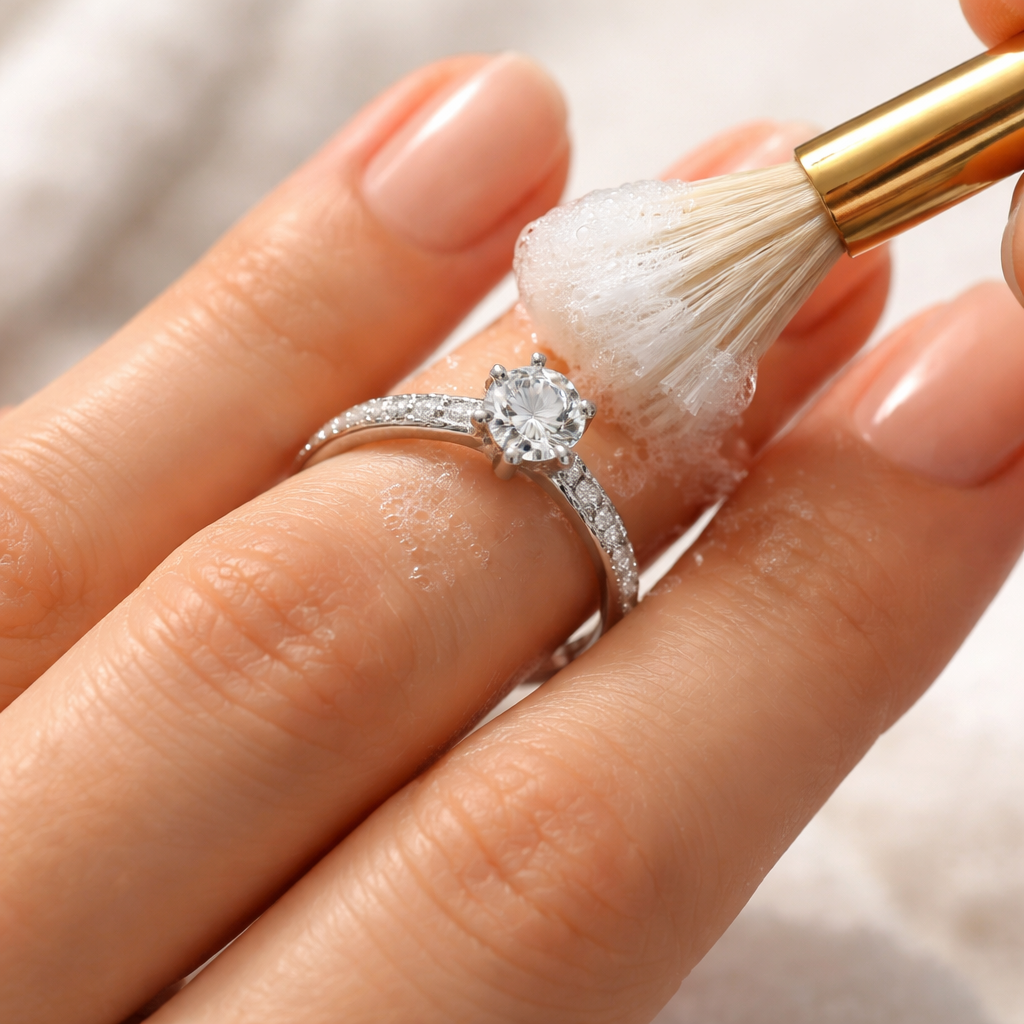
A gentle soak in warm, soapy water for ten minutes loosens everyday grime. Use a soft-bristled toothbrush to brush each claw or edge. Vogue recommends a gentle soak and warns not to over‑clean white gold too often.
3. Check the setting often
Every few months, look at the prongs, bezels or channel walls. If a claw feels loose, it can catch on a watch strap. A quick visit to your jeweler can tighten it before a stone falls.
4. Protect from chemicals
Cleaning products, chlorine, and even strong perfume can dull a finish. When you wash dishes or use household cleaners, keep the ring in a dish or wear gloves.
5. Store it safely at night
Sleep with the ring in a separate dish, not on your finger. Swollen fingers can tighten the band and cut off circulation.
Quick care checklist:
- Remove for workouts, swimming, or heavy chores.
- Soak in warm, soapy water weekly; brush gently.
- Inspect prongs or bezels every 2 to 3 months.
- Avoid harsh chemicals; use a dish or gloves.
- Keep a ring dish by your bed.
Frequently Asked Questions
How do I pick a setting that fits my everyday life?
Think about what you do most days. If you cook, type, or play sports, a low‑profile bezel or a sturdy low‑prong keeps the stone safe and stops it from catching on things. If you work at a desk and want max sparkle, a classic prong works fine but you’ll need to clean it more often. Match the setting to the way you move, not just to the look you want.
What are the main pros and cons of prong vs. bezel settings?
Prong settings lift the stone high, so more light hits the gem and you get that bright flash. They’re easy to resize, but the tiny claws can snag and need regular checking. Bezel settings wrap the stone in metal, giving a sleek look and extra security – great for active hands. The trade‑off is a slightly lower profile, which can hide a tiny bit of sparkle.
How often should I have my setting inspected?
A quick look at the claws or walls every two to three months is a good habit. If you notice a loose prong, a tiny wobble, or a change in how the ring feels, book a jeweler right away. Regular checks catch problems before a stone drops, and they keep the ring comfortable for daily wear.
Can I change the setting style after I buy the ring?
Yes, most jewelers can re‑set a stone into a new style, but it depends on the metal, the stone’s size, and how much metal is left. A bezel can often be added to a prong ring, while moving to a halo may need extra metal for side stones. Expect a modest fee and a short wait, but it lets you evolve the look.
Does the metal I choose affect the setting’s strength?
White gold and platinum are hard and resist scratches, so they hold prongs and bezels well for active lives. Rose gold looks warm but can show tiny marks sooner, which matters if you’re rough on jewellery. If you have metal‑sensitive skin, platinum or high‑grade white gold are hypo‑allergenic options that stay strong over years.
Are there special care tips for different settings?
Prong rings need a gentle brush to clear dust from the claws each week. Bezel rings stay cleaner longer, so a quick soak in warm, soapy water once a month is enough. Channel settings protect side stones, but the metal walls can collect grime, so a soft cloth wipe works well. In all cases, remove the ring for heavy chores and store it in a soft dish at night.
Final Thoughts and Next Steps
Now that you’ve walked through the main settings, you can see how each style fits a life‑style, a budget, and a care routine.
Quick checklist: pick a setting that matches how active your hands are; choose a metal that feels good on your skin; decide how much cleaning you’re willing to do; and picture the ring on your finger during a real moment, like a coffee run in Zurich.
If you’re still unsure, take a few minutes to browse Cervin Blanc’s collection. Their Swiss-designed pieces let you test a bezel, a prong, or a halo without pressure, and the staff can answer any metal‑care questions.
Next step: set a simple goal. Either book a virtual try‑on, or write down the three features that matter most to you. When you have that list, the perfect setting will stand out like a clear diamond.