
Most people think a diamond is the only way to get that wow factor on a ring. The truth is, there are dozens of gems that sparkle just as bright, often at a friendlier price.
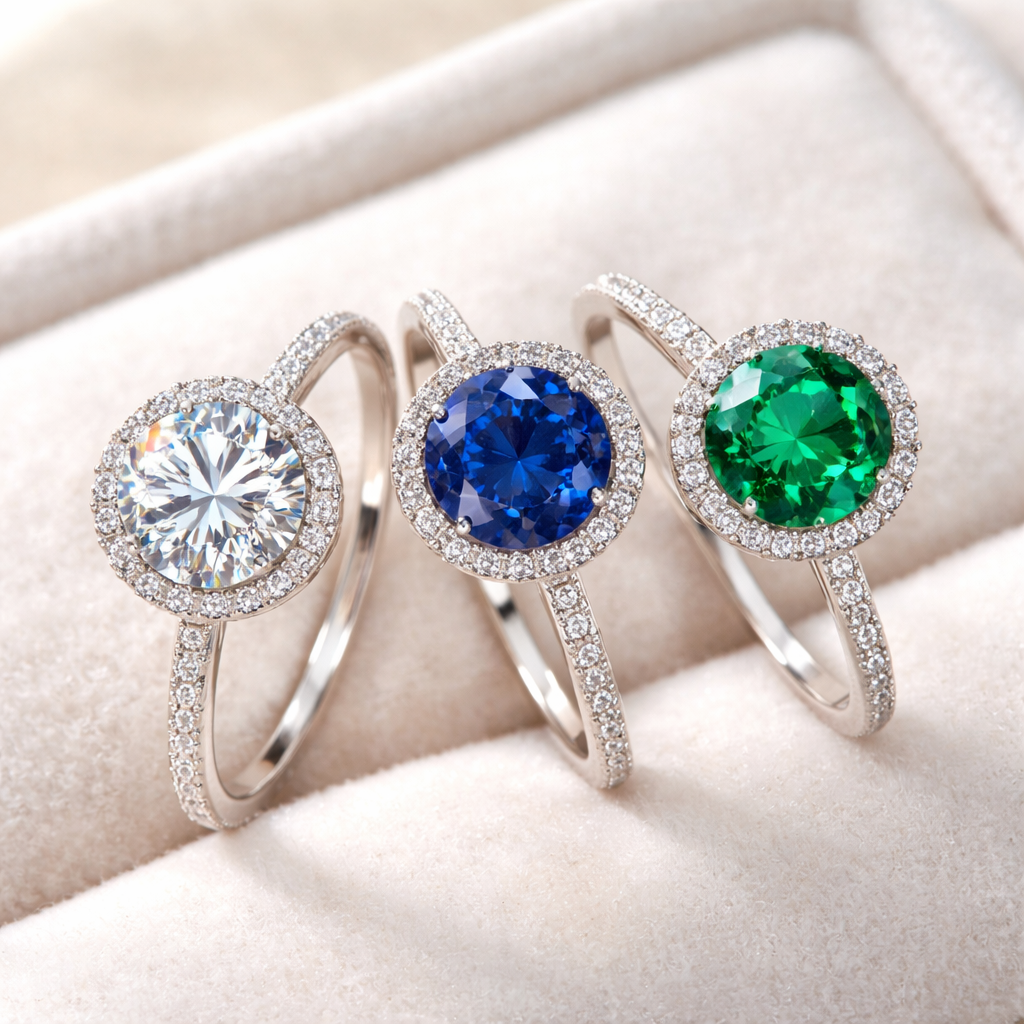
Imagine you’re looking at a ring and the stone catches the light like a tiny sunrise. That could be a sapphire, morganite, or even a lab‑grown moissanite. Each stone has its own vibe – blue for calm, pink for romance, clear for classic.
First, think about what matters to you. Is it colour, durability, or the story behind the stone? A hard stone like moissanite scores high on durability – it’s nearly as tough as a diamond, so daily wear won’t dull it. If you love colour, a sapphire offers deep blue tones that stay vibrant for years.
Next, set a budget. Alternative gems often let you spend less on the stone and more on the setting. That means you can choose a richer gold band or a unique design without breaking the bank.
Here’s a quick step‑by‑step you can follow: 1) List the top three colours you love. 2) Check the hardness rating (look for 8+ on the Mohs scale). 3) Compare prices per carat. 4) Try the stone in different lights – natural daylight, indoor lamp, and evening glow. 5) Ask the jeweller about care tips.
At Cervin Blanc, we often suggest starting with sapphire because it blends timeless style with Swiss‑crafted quality. You can see some of our favourite options in the guide to sapphire engagement rings, which shows how the stone works in various settings.
By the end of this guide you’ll know which alternative gemstone fits your style, life, and budget – and you’ll feel confident picking a ring that truly reflects your love.
Top Diamond Alternative Gemstones for Engagement Rings
If you think a diamond is the only way to get that wow factor, think again. Moissanite gives you fire that’s almost as bright as a real diamond, but at a fraction of the cost.
And sapphire? Its deep blue stays vivid for years, making it a timeless choice for anyone who loves a splash of colour.
Emerald and Morganite
Emerald brings a rich green that feels fresh and natural, though you’ll want a protective setting because it’s a bit softer. Morganite offers a soft pink glow that feels romantic without the price tag of a pink diamond.
Spinel and Quartz
Spinel comes in fiery reds and cool blues, and it’s surprisingly tough – perfect for daily wear. Clear quartz, while less hard than moissanite, still holds up well if you choose a bezel setting.
So, how do you pick? Start by matching the stone’s hardness (look for 8+ on the Mohs scale) with your lifestyle. If you’re active, a harder gem like moissanite or spinel will stay brilliant longer.
Next, think about the vibe you want. Do you want a classic sparkle, a pop of colour, or a subtle hue that whispers romance?
When you’ve narrowed it down, try the stone in different lights – daylight, indoor lamp, and evening glow. That’ll show you how the colour shifts and which setting makes it shine.
After watching the video, picture your hand on a Swiss‑crafted band. The right gem will feel like it was made for you, not just a trend.
Assessing Durability and Everyday Wear
Hardness matters
When you wear a ring every day, the stone has to stand up to scratches, knocks, and a bit of sweat.
The easiest way to judge that is the Mohs hardness scale. A rating of 8 or higher means the gem will resist most everyday scratches. Moissanite sits at 9.25, white sapphire at 9, and many colored stones like ruby or emerald fall a touch lower.
So what does that mean for you? If you work with your hands, you’ll want a stone that can take a few bumps without losing its sparkle. A higher rating also means you won’t need to pop the ring off for every kitchen task.
Look at the setting, too. A bezel or low‑profile setting shields the edges where chips start. Swiss‑designed pieces from Cervin Blanc often use such settings, giving extra protection while keeping the design light.
Everyday care tip: clean the stone with a soft cloth after wearing it, and avoid harsh chemicals. A quick rinse with warm water and mild soap is enough for most gems.
And remember to check the jeweller’s hardness sheet. It’s a simple piece of paper that tells you exactly where your stone lands on the scale. If the number is 9 or above, you can feel confident that the ring will stay beautiful for years.
Try the ring on while you’re cooking or typing. If you notice a dull spot after a week, it may be a sign the stone needs a tighter setting or a harder alternative.
Video: How Alternative Gemstones Stand Up to Daily Life
A ring's stone should survive your day, not the other way around.
Start by watching the short video that shows a moissanite, a white sapphire and a ruby being put through everyday tasks. Notice how each stone reacts when you type, wash dishes or open a jar.
Step 1: Spot the scratches
Grab a soft cloth and rub the stone lightly. If you see a faint line, the stone is losing its shine too fast. Moissanite and white sapphire usually stay clear, while softer gems may show a mark.
Step 2: Test the setting
Give the band a gentle knock against a wooden spoon. Listen for a dull thud. A tight bezel will keep the stone safe; a loose prong will let it wobble.
Step 3: Simulate kitchen work
Put the ring on while you stir a pot of warm water. After five minutes, wipe it dry. If the stone feels rough or the metal looks cloudy, you might need a stronger setting or a harder gem.
Finally, write down what you felt. A quick checklist helps you compare moissanite, white sapphire and other diamond alternative gemstones for engagement rings.
Use the notes to pick the stone that fits your life. If you bake, garden or type all day, aim for a gem that scores 9 or higher on the Mohs scale. That way the sparkle stays bright, even after years of use.
Choosing the Right Cut, Setting, and Style (Comparison Table)
When you pick a stone, the cut decides how the light plays. A shallow cut can look dull, while a deep cut gives more sparkle. Below you’ll see how the main cuts stack up for diamond alternative gemstones for engagement rings.
A good way to test a cut is to look at the stone in three lights, daylight, indoor lamp, and evening glow. If the fire stays bright in each case, the cut is doing its job.
Next, think about the setting. A bezel wraps the stone, protecting the edges. A prong shows more of the gem but leaves a tiny gap where a chip can start. If you work with your hands, a low‑profile bezel often feels safer.
Finally, style ties the whole look together. A solitaire keeps the focus on the centre stone. A halo adds extra sparkle with a ring of tiny stones. A three‑stone bar tells a story of past, present, and future.
Here’s a quick checklist you can use while you shop: 1) Choose cut that matches the gem’s hardness. 2) Pick setting that fits your daily routine. 3) Decide if you want a classic or a bold style.
Hardness ratings help you match the cut to everyday wear (Mohs hardness guide).
| Cut | Best for | Notes |
|---|---|---|
| Round brilliant | Moissanite, White sapphire | Shows fire, works in any setting |
| Oval | Morganite, Aquamarine | Long look, hides finger size |
| Cushion | Emerald, Ruby | Soft edges, classic feel |
If you’re in Switzerland or the UK, many local jewellers offer a bezel setting in 18 k gold that feels light yet strong. That combo works well with hard stones like moissanite or sapphire, while softer gems benefit from a protective rim.
Use the table and checklist to narrow down your choice, then try the stone in the setting you love before you buy.
Budget-Friendly Options and Care Tips
Think you need a big budget to get a ring that shines. You don’t. Picking a diamond alternative can shave a lot off the price while still giving you sparkle.
Stretch Your budget
Start by setting a hard limit, most couples spend under €6,000 (see recent market data). average engagement ring budget shows that a 1‑carat lab‑grown moissanite or a 1‑carat white sapphire often costs less than half the price of a natural diamond of the same size.
Tip: look for stones just under whole‑carat weights (0.90 ct, 0.80 ct). The visual difference is tiny, but the price drop can be 20‑30 %.
Another cheap route is to choose coloured gems that rank 8+ on the Mohs scale, aquamarine, topaz or morganite. They bring a fresh hue and stay bright for years.
Everyday care
Once you’ve chosen a stone, keep it looking new with simple steps. Warm soapy water and a soft toothbrush work for most alternatives. care guide for alternative stones recommends avoiding ultrasonic cleaners on porous gems like morganite.
Remove the ring before harsh chores, washing dishes, gardening or using chemicals. A quick rinse with mild soap after each wear removes sweat and dust.
Store the ring in a soft pouch, separate from other jewellery, to stop scratches.
Quick checklist to keep costs low and sparkle high:
- Set a firm budget ceiling.
- Compare price per carat for each alternative stone.
- Inspect the stone in daylight and under indoor light.
- Clean weekly with warm soapy water and a soft brush.
- Store in a soft pouch away from hard jewellery.
Conclusion
Choosing a diamond alternative gemstone for engagement rings lets you match style, budget, and daily life without compromising sparkle.
Remember the basics: pick a stone with a Mohs rating of 8 or higher, test it in daylight and indoor light, and keep a simple cleaning routine.
That quick checklist will help you avoid scratches and keep the colour bright for years.
Swiss‑crafted pieces from Cervin Blanc blend those hard‑won insights with timeless design, so you get a ring that feels personal and durable.
So what’s next? Take the stones you liked, hold them up to the light, and picture the ring on your hand.
If the fire stays vivid, you’ve found a match.
Need a little extra guidance? A visit to a trusted jeweller can confirm hardness scores and setting options.
In the end, the right alternative gem gives you the wow factor and peace of mind.
Enjoy the journey of finding a ring that truly reflects your love.
FAQ
What are the best diamond alternative gemstones for engagement rings?
Moissanite, white sapphire, morganite, aquamarine, ruby and emerald are the top picks. Moissanite shines the most and rates 9.25 on Mohs, so it resists scratches. White sapphire is clear, hard (9) and less pricey. Morganite gives a soft pink hue and sits at 7.5‑8, good for gentle wear. Aquamarine, ruby and emerald add colour but sit a bit lower on the scale. Pick the stone that fits your style and daily life.
How do I compare the hardness of alternative stones?
Hardness tells you how well a stone will stand up to daily wear. The Mohs scale runs from 1 to 10; 8 and above means the gem can handle most scratches. Moissanite (9.25) and white sapphire (9) are well above that line. Ruby and emerald sit at 7‑7.5, so they may need extra care. Ask your jeweller for a hardness sheet and compare the numbers before you buy.
Are lab‑grown moissanite and white sapphire ethical choices?
Lab‑grown stones avoid mining, so they lower the impact on land and people. Moissanite is made in a lab, which means no mines and a smaller carbon footprint. White sapphire can be mined or lab‑grown; look for a supplier that says it’s responsibly sourced. Both options give you a clear, bright stone without the heavy environmental cost of a mined diamond.
What care routine keeps my alternative gemstone sparkling?
Clean your gem once a week with warm, soapy water and a soft brush. Rinse well and pat dry with a lint‑free cloth. Avoid harsh chemicals like bleach or chlorine, especially for coloured stones. Store the ring in a soft pouch separate from other jewellery to stop scratches. If you work with your hands, take the ring off for heavy chores and put it back on once you’re done.
Can I match a coloured gemstone with a Swiss‑designed setting?
Cervin Blanc’s Swiss‑crafted settings use clean lines and strong gold that hug the stone. A bezel setting wraps the edges, keeping a pink morganite or blue sapphire safe from chips. If you like a halo, choose a low‑profile halo so the extra stones don’t catch on daily tasks. The right setting lets the colour shine while the band stays comfortable all day.
How much can I save by choosing an alternative gem?
Alternative gems can cut the price of a 1‑carat centre stone by half or more. A lab‑grown moissanite of that size often costs €2,000‑€3,000, while a comparable natural diamond can run €6,000‑€8,000. White sapphire sits in the middle, usually €3,500‑€4,500. Those savings let you spend more on a richer gold band or a special engraving. You’ll still get a ring that looks just as bright and feels just as strong.