

Ever caught yourself admiring that tiny sparkle just above your nostril and thinking, “Is this the little detail that could tie my whole look together?”
If you’ve ever tried on a diamond nose pin, you know the moment it catches the light feels like a secret confidence boost. It’s not just jewellery – it’s a whisper of elegance that can turn an everyday outfit into something you’d feel proud to wear to a wedding in Zurich or a brunch in London.
But choosing the right piece can feel overwhelming. There are countless styles, metal choices, and sizes, and you might wonder whether a 0.05 ct solitaire will look as graceful as a delicate halo on your skin. In our experience at Cervin Blanc, we’ve seen women hesitate at the counter, unsure if the pin will sit comfortably or if the diamond’s cut will truly sparkle.
Let’s break that down. First, think about the metal. A hypo‑allergenic 14K gold or rose gold setting not only protects sensitive skin but also complements the warm tones of a diamond, especially under natural daylight. Next, consider the size and gauge – most nose piercings comfortably accommodate an 18G or 20G stud, and a length between 1/4 inch and 5/16 inch usually prevents snagging while keeping the pin discreet.
And what about the diamond itself? Because the stones are small, the cut matters more than the carat. A well‑cut round or princess cut reflects light dramatically, giving you that “just‑right” sparkle without looking oversized.
Now picture yourself slipping a finely crafted diamond nose pin onto a fresh‑made coffee date. You notice how the pin catches the sun streaming through the café window, drawing a subtle but unmistakable compliment from a friend. That’s the magic we aim to capture – a piece that feels personal, timeless, and effortless.
So, if you’re ready to explore how a diamond nose pin can become your new favourite accessory, stay with us. We’ll walk you through sizing, caring, and styling tips that make the whole process feel as smooth as the jewellery itself. Let’s dive in.
TL;DR
Choosing the right diamond nose pin means balancing sparkle, comfort, and care so you can wear a timeless sparkle that feels truly effortless just today.
We’ll walk you through sizing, metal choices, cleaning tips, and style ideas, giving you confidence to pick the perfect piece and keep it dazzling easily.
Step 1: Selecting the Right Diamond
Let’s get real about the tiny details that make or break a diamond nose pin. It’s not just about a sparkly stone; it’s about how the stone sits, how light dances across its facets, and how comfortable you feel wearing it all day.
In our experience at Cervin Blanc, the best nose pins start with four simple checks: cut, size, metal, and fit. When these align, you notice a quiet, effortless glow that complements your features instead of competing with them.
Cut and sparkle
Because the nose is a small canvas, cut quality matters more than carat. A well‑cut round or princess cut reflects light beautifully, delivering a clean, sophisticated sparkle that looks “just right.” Think of sparkle as an amplifier for your everyday style, not a loud shout.
Does this really work? Yes—when the cut is thoughtful, you’ll see a brighter, more even glow from every angle, even in natural daylight.
Size and gauge
The standard gauges for nose studs are 18G or 20G. Lengths typically range from 1/4 inch to 5/16 inch. A properly sized pin sits comfortably without tugging on the piercing or snagging on clothing. Too long or too short can throw off the balance you’re after.
If you’re healing or swapping out initial jewelry, professional sizing is worth it. Your piercer can tailor the length so the pin sits snugly and stays secure during daily activities.
Metal and setting
Look for hypoallergenic metals like 14K gold in warm tones that flatter a diamond’s fire. Rose gold adds a soft glow, while yellow gold and platinum offer durable, timeless options. The setting should be secure—screwback or pushback designs reduce the risk of loss without sacrificing comfort.
For a deeper dive into choosing and caring for your diamond nose stud, you can explore Everything You Need to Know About Diamond Nose Studs.
When you combine cut, gauge, and metal with a thoughtful setting, you get a piece that stops people in their tracks for a moment—without shouting.
For a practical cleaning mindset that protects brightness, consider a gentle routine that respects the metal and diamond. gemstone bead cleaning guides can offer a surprisingly useful cross‑check on your care ritual, especially when you’re balancing skincare and jewelry care in a busy day.
To see how a necklace or watch can coordinate with your look, many of our customers find it useful to pair their nose pin with a premium timepiece—something like a refined watch from a luxury lineup can tie your entire ensemble together. premium watch is a great starting point for ideas that don’t overpower the jewelry you wear on your face. And while you’re thinking about skin, a few skin‑friendly tips can help keep the area comfortable; practical skincare guidance from skin-friendly skincare tips complements your overall routine.
Now, picture the look: a tiny diamond catching the morning sun, a watch that gleams softly, and skin that feels calm and cared for. That balance is what we aim for with every diamond nose pin we create.
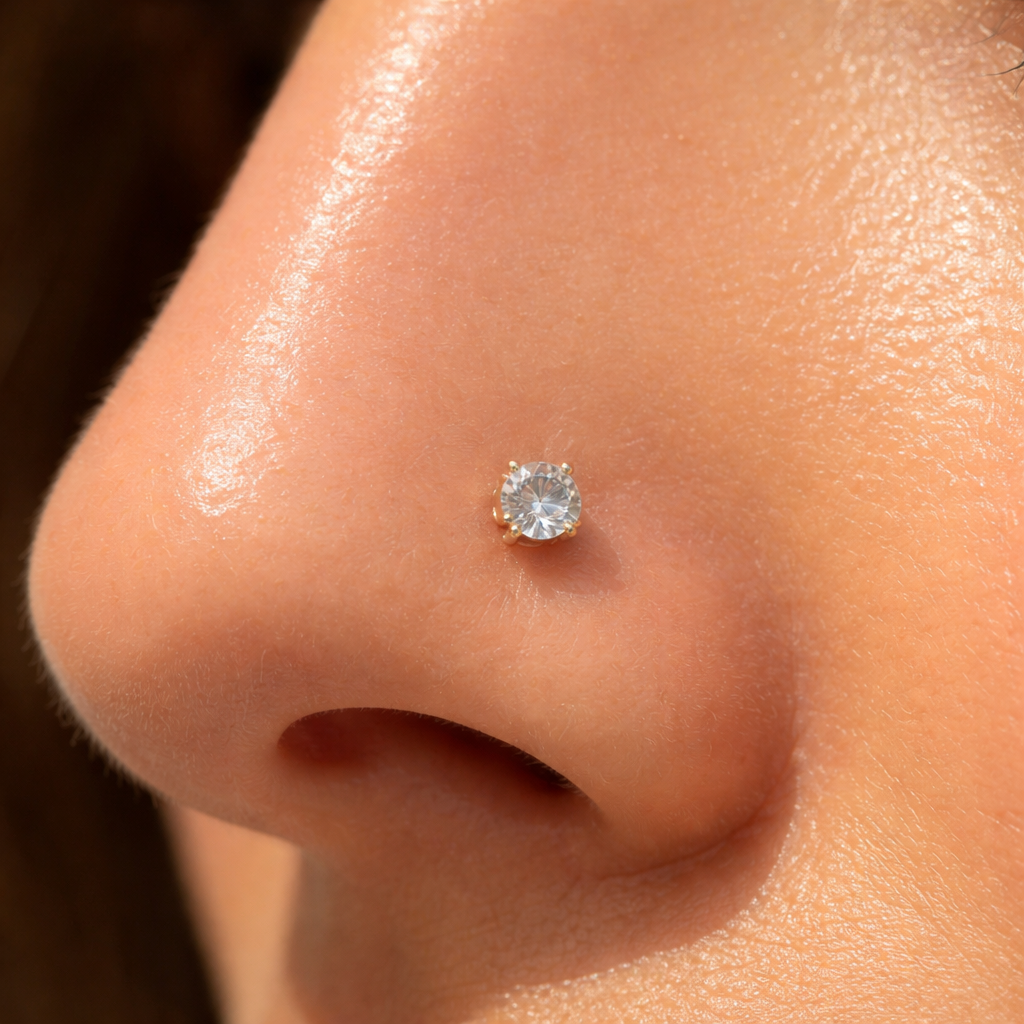
If you’re ready to explore, start with the right diamond and move from there—you’ll feel the difference in how you carry yourself all day long.
What’s your next step in selecting or caring for your diamond nose pin? Share a question or a photo of your look and we’ll help you refine your choice.
Step 2: Choosing the Perfect Setting and Metal
Now that you’ve got a sparkle that fits your style, it’s time to think about what’s actually holding that diamond in place. The metal isn’t just a backdrop – it’s the skin‑friend that keeps your nose pin comfortable, safe, and looking fresh.
Ever wondered why some studs feel like they belong and others feel like a tiny nuisance? Most of the answer lies in the material and the way the setting is crafted.
Start with skin‑friendly metals
If you have even a whisper of sensitivity, go straight for nickel‑free options. Implant‑grade titanium is the gold (well, silver) standard – it’s 100% hypoallergenic, lightweight, and won’t tarnish over time. BodyCandy’s guide even calls titanium the “superhero of piercing metals.”
Another safe bet is solid 14K or 18K gold. Just make sure it’s pure gold, not a plated alloy – the plating can hide nickel underneath. Rose gold adds a warm blush that pairs beautifully with a near‑colourless diamond, while white gold (rhoded) gives that icy, modern edge.
For those who love a pop of colour without compromising safety, niobium is worth a look. It’s nickel‑free, can be anodised into subtle pastels, and feels just as gentle as titanium.
What about the setting style?
Even the best metal can feel off if the setting isn’t right for a nose pin. A classic screw‑back or push‑back stud keeps the diamond snug against your skin, preventing any wobble that could irritate the piercing.
If you’re after a bit more drama, a tiny halo or micro‑trilogy still works as long as the extra stones are set in the same hypoallergenic metal. The key is to keep the overall profile low – a bulky design can snag on scarves or hair.
And remember, the length of the post matters. A 1/4‑inch post is ideal for a healed piercing, while a slightly longer 5/16‑inch post accommodates any swelling if you’re still in the early healing stage.
Match the metal to your lifestyle
Do you spend most of your day in a London office, or are you often strolling through Swiss mountain towns? If you’re constantly on the move, a lightweight titanium stud will feel almost invisible. For special occasions – a wedding in Zurich or a gala in Edinburgh – you might choose a richer 18K gold setting that adds a touch of luxury.
Think about how you’ll care for it, too. Gold loves a gentle soap‑and‑water rinse, while titanium just needs a quick saline wipe. The less maintenance, the better if you’re juggling a busy schedule.
So, how do you decide? Grab a small piece of each metal (many jewellers offer sample swatches) and hold it up to your skin in natural light. Notice any tint, feel the weight, and ask yourself if it feels comfortable for all‑day wear.
Watch the short video above for a visual guide on how the setting’s depth and metal choice affect sparkle and comfort.
One final tip: always buy from a reputable source that guarantees the metal’s purity. Cervin Blanc, for instance, crafts each diamond nose pin in Swiss‑designed, body‑safe gold or titanium, so you know exactly what’s touching your skin.
When you combine a hypoallergenic metal with a well‑thought‑out setting, you end up with a diamond nose pin that feels like an extension of you – elegant, effortless, and irritation‑free.
Step 3: Proper Placement and Insertion Techniques (Video)
Alright, you’ve picked the perfect diamond nose pin and you know which metal feels right. Now comes the moment that can make or break the whole experience: getting it into the right spot without a hitch.
Ever felt that tiny jitter of nerves before a piercer pulls out the tool? You’re not alone. The trick is to treat the insertion like you would a delicate piece of jewellery – with patience, a clean surface, and a clear plan.
Why placement matters
Even a flawless diamond won’t sparkle if it sits crooked or sits too deep. A mis‑aligned pin can tug on the tissue, cause irritation, or even shift over time. That’s why we always start with a quick visual check of the nostril’s natural curve.
Does the bridge of your nose have a gentle slope? Is the cartilage thick enough to hold a stud without wobbling? Answering those questions in your head (or better yet, with your piercer) saves you a lot of hassle later.
Preparing the area
Cleanliness is non‑negotiable. Wash your hands with an antibacterial soap, then dry them completely. Next, cleanse the nostril with a mild saline solution – the same one you’ll use during after‑care. Medical professionals recommend a gentle cleaning routine to keep bacteria at bay.
Don’t forget to sterilise the stud itself. Most reputable jewellers, including Cervin Blanc, ship their pieces in sealed, sterilised packaging. If you’re handling the pin at home, wipe it down with an alcohol swab and let it air‑dry.
Inserting the stud – step by step
- 1. Align the tip. Hold the pin between thumb and forefinger, making sure the olive‑shaped tip (the part that sits against the skin) faces outward.
- 2. Use a gentle twisting motion. Very lightly twist the stud as you push it forward. The twist helps the tip glide through the healed channel without catching.
- 3. Feel for the “click”. When the post reaches the underside of the cartilage, you’ll feel a soft snap as the backing secures the stone.
- 4. Double‑check the angle. The diamond should sit flat against the skin, not tilted. If it looks askew, gently back it out a millimetre and try again – patience is key.
Need a visual reference? A short clip walks you through each motion in real time. Watch the placement tutorial on YouTube for a quick sanity check before you start.
After insertion: the quick test
Once the pin is in place, run a fingertip lightly over the surrounding skin. It should feel smooth, not gritty. Blink a few times; the stud shouldn’t shift or pinch.
If you notice any redness or a burning sensation, rinse with saline and give it a minute. Persistent discomfort could mean the length is off – a 5/16‑inch post is better for fresh piercings, while a 1/4‑inch post works once the swelling has settled.
And here’s a little secret we’ve learned from working with clients in Zurich and London: a tiny dab of hypoallergenic moisturizer around the entry point can keep the skin supple and reduce the chance of a tiny bump forming.
So, what’s the next move? Keep the area clean, avoid touching the pin with dirty hands, and give yourself a week before swapping styles. Your diamond nose pin will thank you with lasting sparkle and comfort.
Step 4: Styling Tips and Outfit Pairings
Now that your diamond nose pin sits perfectly, the fun part begins - figuring out how to let it shine with what you wear. Whether you're heading to a boardroom in London or a weekend market in Zurich, the right pairing can turn a subtle sparkle into a confidence boost.
First, think about the vibe of the day. For a polished office look, stick to clean lines and muted tones. A 0.02 ct solitaire set in 14 K white gold looks effortless next to a crisp white shirt, a navy blazer, and a slender silver watch. The pin catches the light when you turn your head, but it doesn’t compete with the overall minimal aesthetic.
If you’re meeting friends for brunch, you can loosen things up a notch. Pair a small halo-style diamond nose pin with a soft cashmere sweater in camel or a pastel blouse. The extra sparkle of the halo mirrors the gentle colour of the fabric, creating a harmonious glow. Keeping the stone small maintains subtlety while still feeling special.
What about evenings out? When the lighting is dimmer, a slightly larger cut - think a petite princess-cut set in rose gold - reflects the warm glow of candlelight beautifully. Combine it with a silk slip dress in deep burgundy and a pair of delicate gold bangles. The rose‑gold metal ties the whole palette together, making the nose pin the quiet star of the ensemble.
And don’t forget hair. A sleek low bun or a side‑swept ponytail frames the nose, allowing the pin to peek out like a secret. If you leave your hair down, soft waves that brush the cheek give just enough movement for the diamond to catch a stray ray of light.
Here’s a quick cheat-sheet you can run through before you get dressed:
| Occasion | Recommended Metal | Styling Tip |
|---|---|---|
| Office | White gold | Pair with a crisp shirt, navy blazer and minimal accessories. |
| Casual day | Yellow or rose gold | Mix with soft knits, pastel tops and a low ponytail. |
| Evening event | Rose gold | Combine with a silk dress, gold bangles and a sleek updo. |
Mixing metals can work, but balance is key. If your nose pin is in yellow gold, pair it with other gold pieces – a thin gold chain or a matching gold bracelet. If you prefer a mixed‑metal look, keep the surrounding jewellery minimal – a silver watch with a gold pin feels intentional rather than chaotic.

Colour coordination extends beyond metal. A diamond nose pin pairs beautifully with neutral outfits – think beige trench, charcoal sweater, or classic black little black dress. When you add a pop of colour, choose accessories that echo that hue. For example, a ruby‑red clutch with a simple white dress lets the diamond’s sparkle act as a bridge between the two.
One practical tip many women forget: consider the length of the post when choosing outfits with scarves or high‑collar tops. A shorter 1/4‑inch post won’t catch on fabrics, while a longer 5/16‑inch post can be more forgiving during the healing phase. This little detail saves you from awkward snags at the office coffee machine.
If you’re still unsure how to blend the pin with your existing jewellery box, Giva’s guide on matching nose pins with a collection offers a solid framework for thinking about metal harmony and style consistency.
Finally, trust your instinct. Hold the pin up to your skin in natural light, picture the outfit you have in mind, and ask yourself if the combination feels right. The diamond nose pin is meant to be an effortless extension of you, not a forced statement.
Step 5: Caring and Maintaining Your Diamond Nose Pin
Caring for a diamond nose pin isn’t glamorous, but it’s essential. If you want that tiny sparkle to stay bright, you need a simple routine you’ll actually keep.
In our Swiss atelier, we design pieces to be durable and comfortable for everyday wear. That means teaching you care steps that won’t feel like chores.
Let’s break it down into practical, bite‑sized actions you can do in under five minutes.
Daily Cleaning Routine
Daily care is about keeping oils and makeup residues away from the diamond and metal.
Rinse the pin with lukewarm water, then pat it dry with a clean, lint‑free cloth.
If you wear heavy sunscreen or makeup, wipe the entry point gently at night to prevent buildup. BlueStone’s care guide on cleaning your diamond nose pin offers practical steps.
Once a week, soak the pin in a mild soap‑and‑water solution for a few minutes, then brush softly with a soft brush.
Rinse again and dry thoroughly before wearing. This keeps the diamond’s fire alive and protects the metal from dulling.
Handling swelling and the healing phase
During healing, you’ll want a gentler routine. If swelling is present, keep the post clean and avoid changing jewelry too early.
A longer post can cushion swelling and prevent pressure on fresh tissue.
If you notice redness that doesn’t fade after a saline rinse, consult your piercer.
Usually, healing takes six to eight weeks, but every body is different. Be patient—this is about comfort as well as sparkle.
Storage and Travel
When you’re not wearing it, store the diamond nose pin in a soft pouch or jewellery box with compartments.
Keep it separated from other pieces to avoid scratches.
If you’re flying, seal it in a travel case and keep a spare cleaning cloth handy.
Avoid exposing it to chlorine or saltwater for long periods; rinse after swimming.
When to Consult a Professional
If you ever notice loose stones, bent posts, or persistent irritation, don’t wait.
Professional adjustment or re‑setting is safer than forcing a quick fix at home. At Cervin Blanc, our guidance starts with sizing and safe wear; we can point you to the right post length for ongoing comfort.
Regular checks—every six to twelve months—keep settings secure and sparkle reliable.
Caring for Metal and Sparkle
Metal care matters as much as the diamond.
Avoid harsh cleaners, contact with cosmetics, and swimming with long exposure.
Polish lightly with a lint‑free cloth after wearing; this helps keep the metal’s luster.
If your piece is rose or white gold, the rhodium or plating can wear‑thin; discuss re‑plating with a jeweller.
Our Care Philosophy at Cervin Blanc
This is where Cervin Blanc’s Swiss design philosophy shines.
We craft pieces to be timeless yet easy to care for, so you don’t have to reset your life for your jewellery.
Our skin‑friendly gold and titanium options keep comfort high and maintenance low.
If you’re unsure, start with a professional cleaning service—think of it as a spa day for your diamond nose pin. BlueStone’s nose pin care guide.
Step 6: Buying Safely Online and In-Store
Alright, you’ve narrowed down the perfect diamond nose pin – now it’s time to actually get it without a hitch. Buying jewellery feels a bit like dating: you want to be sure the person (or piece) is genuine, trustworthy, and a good fit before you commit.
Do your homework first
Start by checking the retailer’s reputation. Look for clear contact info, a physical address in Switzerland or the UK, and a professional‑looking website. If they’re proud of their Swiss design heritage – like Cervin Blanc – they’ll usually showcase their atelier, certifications, and a transparent return policy.
Next, verify the diamond’s credentials. A reputable seller will provide a GIA, IGI or equivalent grading report, either as a PDF download or a physical certificate that ships with the pin. No report? Walk away. It’s the same as buying a car without a service history.
Secure payment methods are a must
Never send cash or wire money directly to an unknown account. Stick to credit cards, PayPal, or other buyer‑protect platforms that let you dispute a charge if the item never arrives or looks nothing like the description.
Watch out for “too good to be true” discounts. If a diamond nose pin is listed at half the usual price, chances are the stone isn’t genuine, or the seller is a scam. A modest discount for a first‑time customer is normal; a massive markdown is a red flag.
Inspect the product details
Read the product description line by line. You should see the gauge (18G or 20G), post length (¼ inch vs 5/16 inch), metal type (14K gold, rose gold, titanium), and diamond specifics (cut, colour, clarity). If anything feels vague, ask the seller for clarification before you click “buy”.
When you receive the pin, examine it under natural light. The diamond should sparkle evenly, without cloudy spots. The metal should feel smooth, not gritty, and the backing should lock securely without wobbling.
In‑store buying tips
Visiting a boutique gives you the chance to handle the pin before you purchase. Bring a mirror, a soft cloth, and a small flashlight – you’ll thank yourself later when you notice how the stone reflects light from different angles.
Ask the sales associate about after‑care services. Do they offer a complimentary cleaning within the first month? Is there a warranty that covers prong loosening or metal plating wear? A store that stands behind its product is usually confident in its quality.
Don’t forget to negotiate the return window. Ideally you get at least 14 days to try the pin on at home, check for any irritation, and make sure the fit feels right. If the shop’s policy is “no returns”, that’s a deal‑breaker.
Online safety checklist
- Check for HTTPS in the URL and a padlock icon.
- Read recent customer reviews – look for mentions of authenticity and customer service.
- Confirm the shipping method includes tracking and insurance.
- Make sure the site states a clear, reasonable return/exchange policy.
Tip: save a screenshot of the product page and the policy before you order. If something goes sideways, you’ll have proof of what was promised.
What to do if something feels off
If the pin arrives with scratches, a missing certificate, or the backing feels loose, contact the seller right away. Keep the original packaging – many retailers need it for a return.
Should the seller be unresponsive, you can raise a dispute with your payment provider. Most credit cards offer zero‑fraud liability, meaning you won’t be on the hook for a bad purchase.
And remember, you’re not just buying a piece of jewellery; you’re investing in a tiny, personal luxury that will sit on your face for months, maybe years. Treat the transaction with the same care you’d give a wedding ring.
Final quick‑step recap
- Research the retailer’s reputation and verify the diamond certificate.
- Use secure payment methods that offer buyer protection.
- Read the full product specs – gauge, length, metal, diamond details.
- For in‑store buys, test the pin, ask about warranties, and confirm a return window.
- When shopping online, check HTTPS, reviews, tracking, and return policy.
- If anything seems off, act fast – contact the seller, keep evidence, and consider a payment dispute.
Following these steps means you’ll walk away with a diamond nose pin that truly shines – both in sparkle and in peace of mind.
Conclusion
We've walked through everything you need to feel confident buying and wearing a diamond nose pin – from picking the right cut and metal, to checking the certificate, and caring for it daily.
Remember, the little sparkle is more than a fashion statement; it's a personal touch that should feel as comfortable as your favourite watch. If the post is too long or the metal irritates, you’ll notice it right away, so trust your instincts and adjust before it becomes a habit.
When you shop, stick to reputable sellers who offer clear grading reports and secure payment options. A quick glance at the HTTPS lock, a real certificate, and a reasonable return window can save you from a headache later.
Cleaning is simple: warm water, mild soap, and a soft brush keep the diamond bright and the metal smooth. Store the pin in a soft pouch when you’re not wearing it, and avoid harsh chemicals or long swims in chlorinated pools.
So, what’s the next step? Take the checklist we’ve built, pick a piece that sings with your skin tone, and enjoy the confidence boost that comes with a well‑chosen diamond nose pin. Need a hand? Our Swiss‑crafted collection is designed to make that decision effortless.
FAQ
Got questions about your diamond nose pin? You’re not alone – the tiny sparkle raises a surprisingly big list of details. Below are the most common queries we hear from women in Switzerland and the UK, plus clear, actionable answers.
What size diamond nose pin should I choose for a healed piercing?
If your nose is fully healed, an 18G or 20G gauge with a post length of about 1/4 inch works for most people. The shorter post reduces snagging on scarves or hair, while the gauge keeps the jewellery snug without pulling. Measure the current stud with a ruler or ask your piercer to confirm – a perfect fit feels like it’s barely there.
Is a diamond nose pin safe for sensitive skin?
Yes, as long as you pick a hypo‑allergenic metal. Pure 14K or 18K gold, platinum, and implant‑grade titanium are nickel‑free and gentle on delicate tissue. Avoid plated alloys that can hide nickel underneath. In our experience, many women with a slight nickel allergy find titanium or solid gold to be the most comfortable options for daily wear.
How often should I clean my diamond nose pin?
We recommend a quick daily rinse with lukewarm water and mild soap, then pat dry with a lint‑free cloth. Once a week, soak the pin for a few minutes, gently brush with a soft baby‑brush, and rinse again. This routine removes oils, makeup residue, and any tiny buildup that could dull the diamond or irritate the skin.
Can I wear my diamond nose pin while swimming or exercising?
For a short dip in a chlorinated pool, rinse the pin with fresh water afterward – chlorine can dull metal plating over time. During workouts, especially if you’re sweating a lot or wearing headgear, it’s safest to remove the stud to prevent snagging or accidental loss. A quick swap into a soft pouch keeps it safe until you’re ready to wear it again.
What certification should I look for when buying a diamond nose pin?
Look for a GIA, IGI, or equivalent grading report that details the 4 Cs – especially cut, colour and clarity for tiny stones. The certificate should be a downloadable PDF or a physical document included in the package. A clear report gives you confidence that the diamond truly sparkles and that you’re not paying for a lower‑grade stone.
How do I know if the post length is right for me?
During the first few weeks after a fresh piercing, a slightly longer post (around 5/16 inch) accommodates swelling. Once the tissue settles, switch to the shorter 1/4 inch post for a snug, low‑profile fit. If the stud feels loose or you notice a small bump, it’s a sign the post is still too long – a quick visit to your piercer can sort it out.
What should I do if my diamond nose pin starts to feel loose or irritates?
First, stop adjusting it yourself – you could worsen the irritation. Clean the area with a saline solution, then inspect the backing. If the screw‑back or push‑back isn’t holding, contact the jeweller for a replacement post. Persistent redness or swelling after a clean check means it’s time to see your piercer; they can re‑size or recommend a different setting to keep the pin comfortable.
Still have doubts? We at Cervin Blanc love helping women find the perfect balance of sparkle and comfort, so feel free to reach out with any lingering questions.