
Imagine you’re getting ready for a wedding in Zurich, and you want that extra sparkle that feels both personal and effortless. You’ve heard about a diamond nose piercing, but the idea of choosing the right piece, avoiding irritation, and keeping it shining can feel overwhelming.
That’s exactly why we start with the feeling most of our clients share: the excitement of a tiny, glittering detail that elevates everyday confidence. A diamond nose piercing isn’t just a trend; it’s a subtle statement that can sit comfortably at work in London, sparkle at a summer garden party in Geneva, or accompany you on a weekend hike in the Alps.
First, think about the moment you’ll first see the stud in the mirror. You’ll want it to sit snugly without pulling, so proper gauge (usually 18 G or 20 G) and length are non‑negotiable. A good piercer will measure the swollen post‑piercing anatomy, then recommend a slightly shorter stud for the healed stage. That tiny adjustment can mean the difference between a comfortable daily wear and a constant tug that leads to bumps.
Next, consider the metal. Gold—whether classic yellow, warm rose, or sleek white—offers hypoallergenic protection, while platinum adds durability for those who love a low‑maintenance vibe. The diamond itself should prioritize cut over carat; a well‑cut stone reflects light beautifully even at a fraction of a carat, giving you that radiant flash without looking ostentatious.
When you’ve narrowed down style, the real work begins: caring for your new treasure. Clean the stud twice a day with lukewarm water and a mild soap, using a soft brush to reach the tiny back. Avoid perfume or hairspray on the day you first wear it, and store it in a soft pouch when you’re not wearing it to prevent scratches. For a deeper dive into choosing the perfect piece and keeping it pristine, see our guide on how to choose and care for your diamond nose ring.
Finally, make the experience yours. Picture slipping the stud on after a soothing shower, feeling the cool metal against healed skin, and catching the first glint of daylight on the diamond as you head out. That moment of quiet confidence is what a well‑chosen diamond nose piercing delivers—effortless elegance that feels like it was always meant to be part of you.
TL;DR
A diamond nose piercing blends subtle sparkle with effortless elegance, offering women in Switzerland and the UK a timeless, hypoallergenic accent that fits any occasion. Choose the right gauge, metal, and cut, care for it daily with gentle cleaning, and enjoy a beautifully confident glow that lasts for years forever.
Step 1: Choosing the Right Diamond
Let me be completely honest: picking the right diamond nose piercing isn’t just a quick checkbox. It’s about that tiny sparkle you’ll see in the mirror every morning and how it sits with your face as you go about your day. If you’re in Switzerland or the United Kingdom, you’re likely balancing elegance with everyday practicality, and that’s exactly what we’ve seen work best.
At Cervin Blanc, we hear from women who want something discreet enough for the office, yet special enough for weekends away. The right piece should feel like it was meant to be there—bright enough to catch the light, but calm enough to forget you’re wearing it. It’s about confidence, not showmanship.
So, let’s start with the basics that actually make a difference: gauge, metal, and how the diamond is cut. Nail these and you’ve already ruled out a lot of common irritation and misfit problems.
Gauge and Length: the quiet foundation
The most common nose jewelry gauges are 18G or 20G. When you’re still swelling, the piercer might fit a longer post. But once you’re healed, downsizing slightly is what keeps the stud comfortable all day—no constant tugging or snagging. Think of it as a tiny tune-up that pays off with daily comfort.
Does your anatomy vary? Absolutely. That’s why a professional measurement matters. A small adjustment here can prevent bumps and irritation down the road, which means you’re more likely to keep wearing the piece you love without fuss.
Metal choices: hypoallergenic matters
Gold—yellow, rose, or white—offers a warm, skin-friendly option, and it pairs beautifully with a diamond’s sparkle. If you’re after durability and a cooler tone, platinum is hard-wearing and low-maintenance. For nose studs, a setting that holds the diamond securely without adding bulk is ideal; think low-profile prongs or a bezel that sits flush against the skin. The goal is comfort first, brilliance second, in perfect balance.
Our experience tells us skin sensitivity is real, so choosing metals with solid hypoallergenic credentials helps you avoid irritation and keeps the focus on the diamond’s glow rather than discomfort.
Diamond quality: cut over carat at this size
Small stones rely on light performance. A well-cut diamond will flash with brightness even at a fraction of a carat. Prioritize cut, symmetry, and clarity appropriate to the size, rather than chasing a bigger carat tag. A bright, well-cut stone appears more brilliant and lively in daylight and artificial light alike.
Color matters, but in the tiny scale of nose studs, a slightly warmer hue can still look clean. Seek a cut that maximizes brilliance; you’ll notice the difference in sparkle during daily wear—and that’s what you’ll actually notice when you glance in the mirror the most.
Styles and settings: your personal finishing touch
Classic solitaire is the quiet classic, but halos or trilogy designs add a touch more light without shouting for attention. The setting should protect the diamond while remaining slim enough to prevent snagging. With Cervin Blanc’s curated pieces, you get timeless design crafted in Switzerland—quality that feels luxurious, yet accessible for everyday wear.
So, what should you do next?
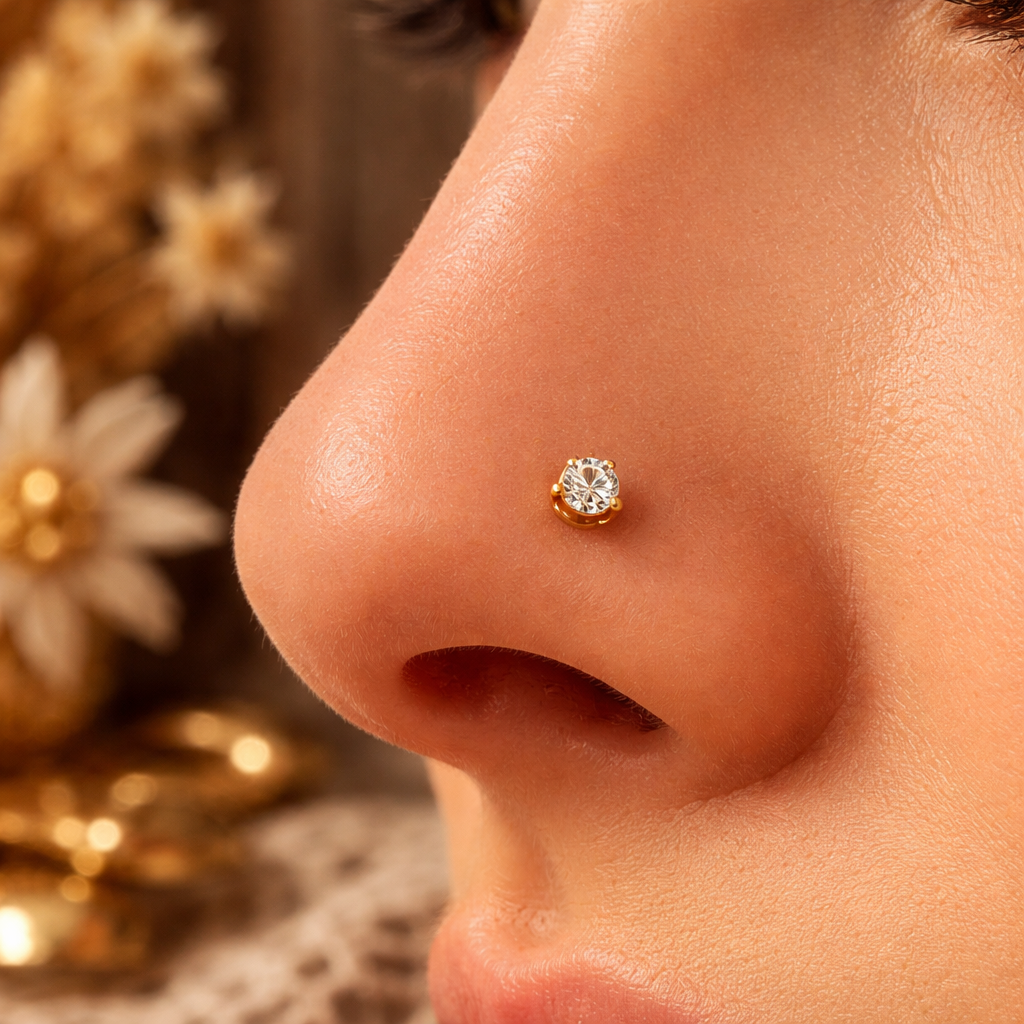
Take a breath and start with a clear checklist: pick a gauge you’ll forget you're wearing, choose a metal that suits your skin, and hunt for a diamond cut that glows in both daylight and gym lighting. If you’re unsure, a quick chat with a trusted jeweler helps you confirm fit before you commit. Small, deliberate choices here pay off with years of confident, radiant wear.
Step 2: Preparing Your Nose for Piercing
Before you walk into the studio, there’s a bit of groundwork that makes the whole experience feel less like a gamble and more like a smooth ritual.
First thing’s first – give your nose a quick health check. If you’ve got a cold, a sinus infection, or any swelling, it’s wise to wait. A healthy, calm tissue heals faster and reduces the chance of a nasty bump later.
1. Clean, then clean again
Think of your nose like a tiny garden. You wouldn’t plant a seed in dirt full of weeds, right? Start by washing your hands with warm, scented‑free soap. Then, using a sterile cotton pad, dab a gentle saline rinse around the future piercing site. Healthline recommends a simple mix of ¼ teaspoon sea salt in warm distilled water – do this twice a day for the first week after the piercing (learn how to make the rinse).
Why twice? It clears out debris and keeps bacteria at bay while the skin is still adjusting to the new hole.
2. Choose the right jewellery before you book
Most of our clients in Zurich and London opt for an 18 G or 20 G stud made of hypoallergenic gold or platinum. The metal matters because a nickel‑rich piece can spark irritation before the piercing even has a chance to settle.
Make a quick note of the gauge, length, and metal – you’ll hand it to the piercer, and they’ll confirm it matches your anatomy. A snug but not tight fit prevents pulling, which is the main culprit behind early bumps.
3. Prep the day of the appointment
On the morning of, avoid any strong fragrances, hairspray, or oily skincare products near your nose. Those chemicals can coat the skin and make the sterilisation process less effective.
Wear loose, breathable clothing around the face – think a soft scarf or a lightweight sweater. You’ll want easy access for the piercer and to avoid snagging the new stud on a tight collar.
And, just in case, bring a small travel‑size saline bottle or a packet of sea salt – it’s handy for a quick rinse right after the needle goes in.
4. The after‑care routine (the part you can actually control)
Once the stud is in place, the real work begins. Keep the original jewellery on for at least the first two months; swapping it out too soon risks infection and can even close the hole.
Twice‑daily saline rinses are still the gold standard. Gently soak a clean cotton ball, press it against the piercing for a few seconds, then let it air‑dry. No rubbing – you don’t want to disturb the fresh tissue.
If the area feels a bit sore, a warm compress for a minute can soothe it. Just make sure the cloth is clean.
5. What to avoid (the “don’t‑do” list)
Don’t touch the stud with unwashed hands. Even a quick tap can introduce microbes.
Avoid swimming in chlorinated pools or hot tubs for the first month. The chemicals can irritate the skin and slow healing.
And please, keep perfume, cologne, and scented lotions away from the piercing for at least a week. Those fragrances love to linger on skin and can cause unexpected reactions.
So, what should you do next? Grab a small notebook, jot down your gauge, metal, and the saline recipe, then schedule that appointment with a reputable piercer. The more prepared you are, the more confident you’ll feel when the moment arrives.
Remember, a diamond nose piercing isn’t just about the sparkle – it’s about the calm confidence that comes from knowing you’ve taken every sensible step to keep it beautiful and healthy.
Step 3: Selecting a Professional Piercer
Alright, you’ve done the homework on gauge and metal – now the real magic begins: finding the person who’ll actually put that diamond nose piercing in place.
It can feel a bit nerve‑wracking, right? You’re trusting a needle, a tiny piece of jewellery, and a whole lot of expertise with a small piece of skin that’s pretty close to your brain.
Why the right piercer matters
A skilled piercer isn’t just about clean hands. They understand anatomy, know how to minimise swelling, and can spot subtle signs that tell you whether a stud will sit comfortably for months to come.
When you walk into a studio that takes the time to explain the procedure, you instantly feel more relaxed – and that calm vibe actually helps the tissue heal faster.
Do your homework – but keep it human
Start with a quick online search for studios in Zurich or London, then narrow it down to places that showcase their certification. Look for licences, a visible autoclave, and clear after‑care instructions.
Don’t just copy‑paste a list of credentials – call the studio and ask a few simple questions. For example, “How long have you been piercing noses?” or “Do you use single‑use needles?” Their answers will reveal how much they care about hygiene and your comfort.
And, if you’re in the UK, remember the legal age and ID requirements – a reputable shop will politely remind you to bring a passport or driving licence.
Check the studio’s vibe
Step inside (or peek at a virtual tour) and notice the atmosphere. Is the space tidy, with fresh towels and a dedicated piercing station? Do you see a wall of after‑care guides or a friendly staff member ready to answer questions?
We’ve found that studios that treat you like a guest rather than a transaction tend to have lower bump rates. It’s that personal touch that makes a difference.
Ask about the jewellery they stock
Even if you plan to bring your own Cervin Blanc diamond stud, a good piercer will still want to see the piece first. They’ll check the gauge, length, and that the metal is truly hypoallergenic.
Some studios only work with titanium or stainless steel for the initial post. That’s fine – just make sure they’re comfortable swapping to your gold or platinum piece once the hole has settled.
Read real experiences, not glossy testimonials
Look for honest reviews on Google or local forums. Words like “gentle”, “clean”, and “explained everything” are golden. If you see repeated complaints about “painful after‑care instructions” or “closed shop after the appointment”, steer clear.
One of the studios we’ve heard good things about is Astrid & Miyu Piercing Studios. They offer a flat‑rate service fee, a clear pricing structure, and a follow‑up consultation that can be a lifesaver if you notice any irritation.
Make a checklist for your appointment
Before you walk in, jot down these items: your chosen gauge and metal, any allergies, a list of questions, and a copy of your ID. Bring a small saline bottle – it’s handy for an immediate rinse after the needle.
Also, pack a light snack. You’ll feel better if you’ve eaten a few hours before, and most studios will appreciate the courtesy.
What to do on the day
Arrive a few minutes early, give the piercer a friendly hello, and watch how they prepare the station. Clean hands, a new needle, and a calm explanation are all signs you’re in good hands.
If anything feels off – a rushed intro, a needle that looks reused, or a piercer who dodges your questions – it’s okay to walk out. Your comfort is the priority.
After the piercer has measured the swollen tissue, they’ll suggest a slightly shorter post for the healed stage. That little adjustment can be the difference between a snug fit and a constant tug that leads to bumps.
Post‑piercing support
Ask the piercer how they handle follow‑ups. A quick check‑in a week or two after the piercing can catch early signs of infection before they become a problem.
Many studios, including the one mentioned above, offer a follow‑up slot that you can redeem against future jewellery purchases – a nice bonus if you’re thinking of upgrading your diamond later.
So, what’s the next move? Grab your notebook, shortlist a couple of studios that tick the hygiene, vibe, and after‑care boxes, and schedule a consultation. The more prepared you feel, the smoother the whole diamond nose piercing experience will be.
Step 4: Aftercare & Healing
Congrats, you’ve just walked out of the studio with a fresh diamond nose piercing. The sparkle is there, but the real work begins once the needle’s out of sight.
Feeling a little anxious about the next few weeks? That’s normal – you’re basically caring for a tiny, delicate garden on your face.
What to expect in the first week
Redness, a bit of swelling, and maybe a clear discharge are all part of the body’s natural response. It usually eases after the first 48 hours, but the tunnel inside your nostril is still fragile.
So, what should you do right now? Keep your hands clean, avoid touching the stud, and start a gentle cleaning routine.
Saline soak – the gold standard
We recommend a sterile saline solution twice a day. Grab a pre‑made spray or make your own by dissolving a quarter‑teaspoon of sea salt in 8 oz of boiled, then cooled, water. Soak a clean cotton pad, press it lightly against the piercing for a few seconds, then let it air‑dry.
The Association of Professional Piercers backs this approach – they caution against alcohol, hydrogen peroxide, or harsh soaps because those can dry out the tissue and delay healing learn more about safe after‑care.
When to say “no” to certain activities
Swim? Not yet. Chlorinated pools, hot tubs, and even natural bodies of water can introduce bacteria that love a fresh wound. If you must be near water, cover the piercing with a waterproof bandage and clean it thoroughly afterward.
Makeup, perfume, and hairspray are also off‑limits for the first month. Those products can carry microbes and irritate the delicate skin around the stud.
Monitoring the healing timeline
Most nostril piercings surface‑heal in 2‑4 months, but the inner tissue can take up to six months to fully settle. BodyCandy notes that the “full nose piercing recovery period… can take up to 6 months, sometimes even longer for sensitive skin” see the detailed timeline. Use that as a loose guide – everyone’s body is a little different.
During weeks 2‑3 you’ll notice swelling recede. The area might still feel tender, but you shouldn’t see any pus or intense redness. If you spot a yellow or green discharge, a fever, or worsening pain, it’s time to call your piercer or a healthcare professional.
Hands‑off habit
It’s tempting to twirl the stud or give it a quick touch when you’re nervous. Resist that urge. Every time you handle the jewelry you risk introducing bacteria. If you absolutely need to adjust it, wash your hands with fragrance‑free soap first, then use sterile tweezers.
When to switch jewelry
Leave the original stud in place for at least 8‑12 weeks, or until your piercer gives the all‑clear. Swapping too early is a common cause of bumps and irritation. When you do change, bring a fresh piece made from hypoallergenic gold or platinum – the same quality you’d expect from Cervin Blanc’s Swiss‑crafted collection.
Quick after‑care checklist
- Wash hands before any contact.
- Saline soak twice daily (morning & night).
- Avoid swimming, makeup, scented products for 4‑6 weeks.
- Watch for signs of infection – excessive redness, swelling, discharge, fever.
- Keep the original stud in place for at least 2‑3 months.
- Schedule a follow‑up with your piercer to confirm full healing before changing jewelry.
Remember, healing isn’t a race. It’s more like a slow‑brew coffee – you can’t rush the flavour, but the result is worth the patience.
So, what’s the next step? Stick to the saline routine, keep the area clean, and trust the process. In a few months you’ll be flashing that diamond nose piercing with confidence, knowing it’s healed strong and ready for any occasion.
Step 5: Styling and Maintaining Your Diamond Nose Piercing
Let’s be honest: styling and maintaining a diamond nose piercing isn’t about flashy trends. It’s about everyday care that keeps that sparkle alive.
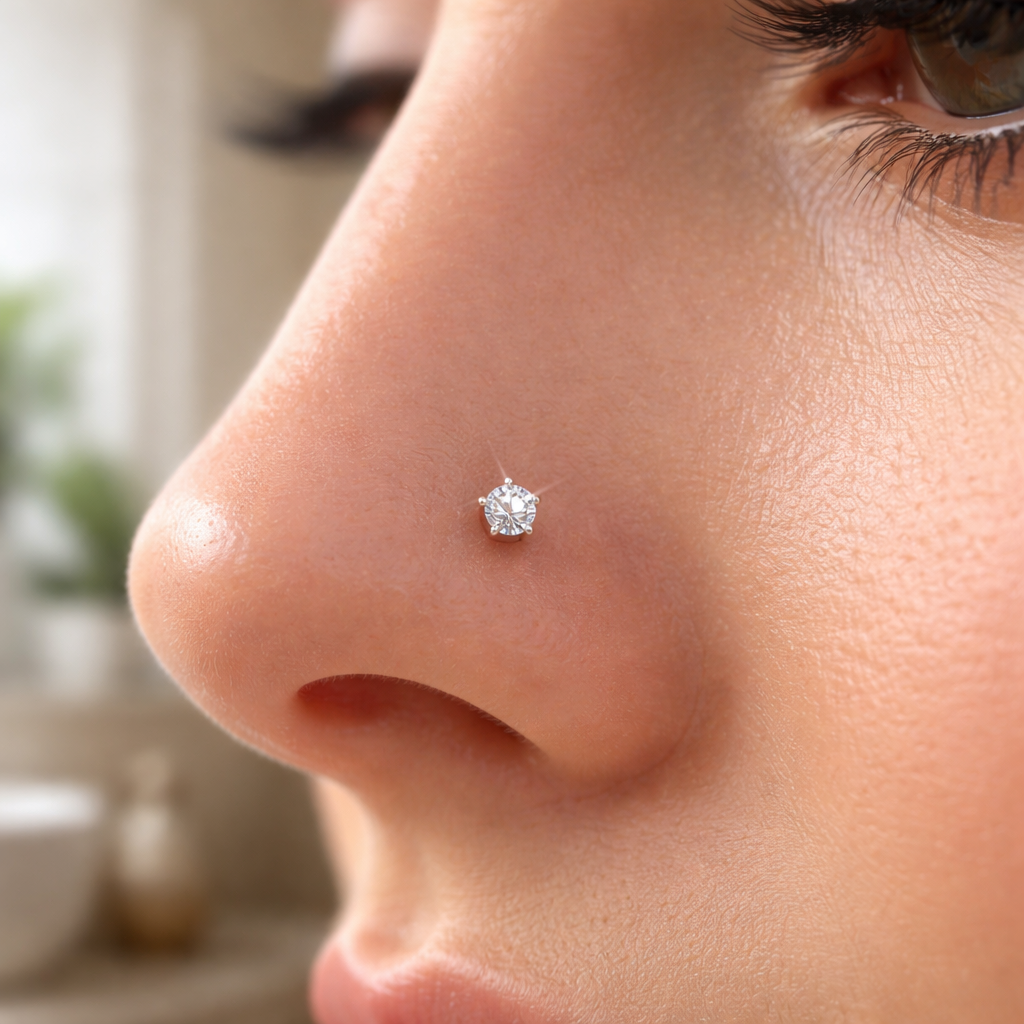
Start with daily wear. Pick a metal you trust—gold or platinum—that sits comfortably against your skin. A secure setting, like a screw-back or push-fit post, helps the diamond stay put as you blink and smile.
Think about balance. You want a cut that glints without shouting, and a modest carat size that fits your lifestyle—from a London office look to a Swiss garden party.
Caring routines matter more than big gestures. Twice-daily saline soaks are your best friend. Use a gentle solution and avoid harsh cleansers that can dry the skin.
Don’t forget to protect the area from makeup, perfumes, and hairspray, especially during the first month of wearing your diamond nose piercing.
As the piercing heals, you might consider upgrading the piece. In our experience, starting with a slightly smaller, high-quality stone makes day-to-day wear effortless and versatile for weddings or everyday luxury.
When it’s time to swap, do it with a professional to avoid irritation or misalignment. For a deeper dive on cleaning and upkeep, see BlueStone's nose pin care guide.
| Aspect | Recommendation | Why it matters |
|---|---|---|
| Metal & setting | Hypoallergenic gold or platinum; secure screw-back or push-back | Reduces irritation and minimizes the risk of losing the stud during daily wear |
| Sizing & fit | Verify gauge (18G–20G) and healed length; adjust after healing | Prevents pulling and bumps, which slows healing and can irritate tissue |
| Cleaning routine | Saline soaks twice daily; avoid alcohol or hydrogen peroxide | Keeps tissue hydrated and keeps the diamond shining |
| Styling for occasions | Coordinate with other jewellery; consider different cuts/tones for weddings | Creates a cohesive look that feels intentional and elegant |
So, what’s next? Consistency is the secret. Keep to a gentle cleaning schedule, check your settings a few times a year, and choose pieces that harmonise with your whole jewellery story—especially if you’re building a wedding jewellery capsule with Cervin Blanc.
In our experience, the right pieces—crafted in Swiss-inspired design and built to be both timeless and affordable—make you feel confidently polished every day. Your diamond nose piercing isn’t just a detail; it’s a quiet statement you wear with ease.
What will you pair with it this season—something minimal for work, or a little extra sparkle for weekend celebrations?
Step 6: Common Mistakes to Avoid
You've just picked the perfect diamond nose piercing and you're excited to wear it every day. But a few tiny missteps can quickly turn that sparkle into irritation or a dull, dull piece. Let’s walk through the most common slip‑ups and how to dodge them.
Skipping the gentle cleaning routine
It might feel like overkill, but using harsh chemicals or skipping cleaning altogether is a fast track to buildup and infection. The safest home method is a warm‑water soak with a drop of mild, unscented soap, a soft brush, and a thorough rinse. Yuvora’s cleaning guide breaks the steps down nicely.
And remember: no toothpaste, no bleach, no alcohol. Those abrasive agents will scratch gold, loosen prongs, and dry out the delicate skin around the piercing.
Changing jewellery too soon
That new diamond stud looks gorgeous, but pulling it out before the tissue has fully sealed can cause bumps, tearing, or even an infection. Most experts recommend leaving the original piece in place for at least eight to twelve weeks, or until your piercer gives you the green light.
If you’re tempted to swap for a larger stone because “it looks better,” pause. The extra weight can tug on the fresh hole and invite irritation.
Choosing the wrong gauge or length
Gauge matters more than you think. An 18 G or 20 G post is standard for most women in Switzerland and the UK, but a post that’s too short will pull, while one that’s too long can snag on scarves or hair. A quick check with your piercer after the swelling subsides will save you a lot of discomfort.
Ignoring early signs of infection
Redness, swelling, and a little crust are normal at first, but a sudden increase in pain, yellow‑green discharge, or a fever are red flags. The Cleveland Clinic notes that these symptoms often signal an infection that needs prompt attention. Read more about infection signs and when to seek professional help.
Don’t wait for the swelling to “settle” on its own—early treatment can keep your piercing from becoming a chronic problem.
Using the wrong storage method
When you take the stud off for a night out or a weekend getaway, store it in a soft pouch or a dedicated compartment of a lined jewellery box. Tossing it into a purse with keys or a phone case will bend the post or scratch the diamond.
Humidity is another silent enemy. If you live in a damp Swiss valley or a rainy UK city, slip a silica‑gel packet into the box to keep moisture at bay.
Exposing the piercing to harsh environments
Swimming in chlorinated pools, hot tubs, or even a salty sea swim within the first month is a recipe for irritation. The chemicals can strip the metal’s protective coating and leave the tissue vulnerable.
Perfume, hairspray, and heavy moisturisers are also off‑limits during the early healing phase. Those scented products love to settle on the metal and cause unexpected reactions.
Neglecting regular check‑ups
Even after you feel fully healed, a quick visit to your piercer every six months can catch tiny loosening of the setting before it becomes a problem. A professional will also polish the diamond if it loses a bit of its fire.
In our experience at Cervin Blanc, clients who stick to these simple habits enjoy a sparkling, comfortable nose piercing for years—whether they’re heading to a Zurich wedding or a London brunch.
So, what’s the next step? Grab a gentle soap, a soft brush, and a small bowl. Make a habit of a quick soak twice a day, keep the stud snug but not tight, and treat any warning signs like you would a sore throat—address them early. With these pitfalls out of the way, your diamond nose piercing will stay brilliant and irritation‑free, letting you focus on the moments that truly matter.
FAQ
Can I change my diamond nose piercing jewellery myself?
It's tempting to swap the stud as soon as you see a bigger sparkle, but during the first eight to twelve weeks the tissue is still sealing. Trying to change it yourself can pull at the fresh hole, introduce bacteria, or even tear the skin. The safest move is to wait until your piercer gives the all‑clear, then let them handle the switch with sterile tools. If you must adjust the stud’s snugness, wash your hands with fragrance‑free soap and use a clean pair of tweezers.
How often should I clean a healed diamond nose piercing?
Even during the wound has closed, a gentle twice‑daily saline soak keeps the area free of oils and debris that can dull the metal or irritate the skin. Use lukewarm water, dissolve a quarter‑teaspoon of sea salt, soak a soft cotton pad and press it lightly against the stud for a few seconds before letting it air‑dry. You don’t need harsh antiseptics – they can dry out the tissue and make the gold or platinum look dull.
Is it safe to swim with a fresh diamond nose piercing?
Chlorinated pools, hot tubs and even salty sea water are best avoided for at least the first month. The chemicals can strip the protective coating on gold or platinum, and they create a moist environment where bacteria thrive. If you can’t stay out of the water, cover the piercing with a waterproof bandage, rinse with saline as soon as you get out, and monitor for any redness or discharge.
What signs indicate an infection I shouldn’t ignore?
Redness and a little crust are normal at first, but watch for a sudden spike in pain, swelling that spreads beyond the nostril, yellow‑green pus, or a fever. Those are red flags that the tissue is fighting an infection and you need professional help right away. Keep a clean journal of any changes and contact your piercer or a healthcare professional if you notice any of these symptoms.
Can I wear my diamond nose stud while exercising?
Yes, you can keep it in during most workouts, but be mindful of activities that involve a lot of facial contact – think yoga inversions, heavy weight‑lifting, or contact sports. Sweat can trap salt on the metal, so rinse with a saline wipe after a sweaty session. If you notice the stud feeling loose or the skin feeling irritated, give it a break for a day and let it breathe.
How do I choose the right gauge and length for long‑term comfort?
For most women in Switzerland and the UK, an 18 G or 20 G post works best. The length should be just long enough to sit comfortably without pulling, typically around 6.5 mm once the initial swelling has gone down. A slightly shorter post after healing reduces the chance of the jewellery snagging on scarves or hair. Ask your piercer to measure the healed tissue and write down the exact specs – that note will save you headaches later.
Conclusion
So you've walked through everything from choosing the right gauge to caring for your sparkle. At this point you probably wonder: "Am I really ready to wear that diamond nose piercing every day?" The answer is a confident yes, as long as you follow the simple habits we've laid out.
Remember the three pillars: proper sizing, hypoallergenic metal, and twice‑daily saline soaks. A snug 18 G or 20 G stud in gold or platinum lets the tissue heal without pulling, while the gentle rinse keeps bacteria at bay.
In our experience, women in Zurich and London who keep a quick note of their gauge, length and metal avoid most bumps and irritation. That little notebook becomes your secret weapon when you return for a follow‑up or decide to upgrade the diamond.
What’s the next step? Grab a sterile saline packet, write down your jewellery specs, and schedule that final check‑in with your piercer. If you feel any unusual redness, swelling or discharge, don’t wait—reach out to a professional right away.
Enjoy the quiet confidence a well‑cared‑for diamond nose piercing brings. Whether you’re heading to a wedding in the Swiss Alps or a brunch in London, that subtle sparkle will feel like it’s been yours forever.